

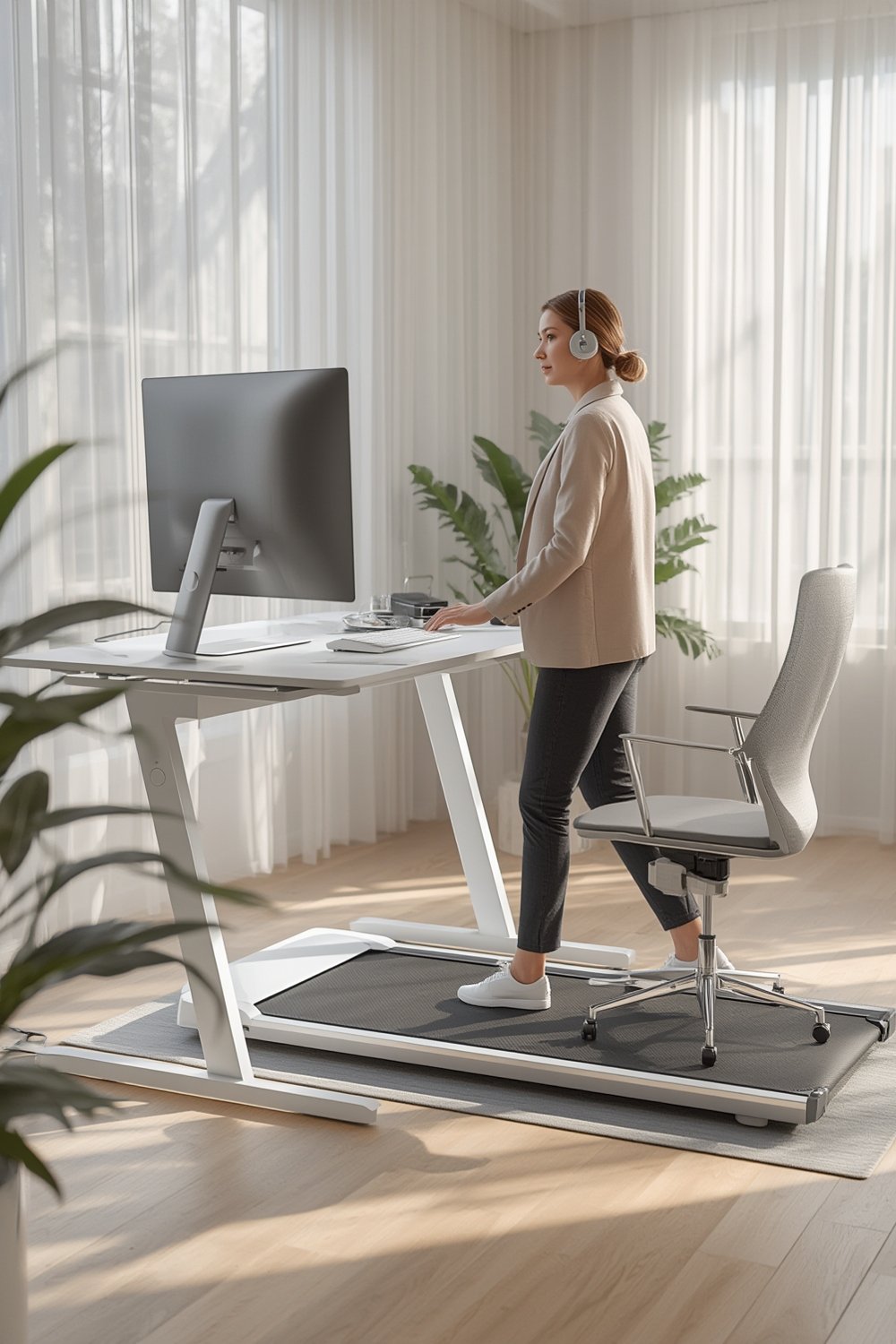
Treadmill Desk setups are rapidly transforming how knowledge workers like Jamie approach sedentary work life. If you’ve maxed out the benefits of standing desks and want a genuine productivity and wellness boost—without the influencer hype—this realistic guide delivers what most treadmill desk reviews don’t: verified specs, warranty guidance, real user pain points, and a buy-ready research checklist built for ROI, comfort, and safety.
Key Takeaways
- Treadmill desks can reduce sedentary hours and boost incidental movement—real buyer ROI depends on product specs, warranty, and clinical benefit details, which are missing in most reviews.
- Critical decision-making requires more than influencer opinions—seek manufacturer specs, warranty lengths, noise ratings, and peer-reviewed research for a confident buy.
- Most content skips the downsides: multitasking can be tough, mouse arm fatigue is common, and “quiet” operation varies dramatically by model and setup—know the tradeoffs before investing.
- Why consider a treadmill desk now (quick buyer primer)
- Market snapshot — what we know and what’s missing
- Real user pain points and common complaints (from reviews)
- Buyer checklist — must-have specs, price bands, and warranty questions
- Health benefits — what credible research actually supports (and what remains unproven)
- Safety and ergonomic setup — critical rules for home and office use
- Compare: treadmill desks vs under-desk bikes vs standing desks
- Top 3 buyer questions competitors leave underanswered (content gap to target)
- Research sources and data points to pull before writing (actionable checklist for the writer)
- Final buying flow and call-to-action (convert)
- FAQ
Why consider a treadmill desk now (quick buyer primer)
For remote and hybrid professionals logging 8+ hours at the computer, a treadmill desk offers a direct way to cut sitting time by adding simple, steady movement. Who benefits most? If you already use a standing desk but want to further address focus, weight, or back issues—without sacrificing productivity—a walking workstation may help. However, expect a learning curve: eating or heavy typing while walking, for example, can cause nausea or hand fatigue, and some tasks will require you to pause the treadmill. Notably, most popular articles and search results provide only anecdotal evidence [source], rarely offering the hard data and specs smart buyers need to avoid disappointment.
Market snapshot — what we know and what’s missing
The treadmill desk market in 2024 is growing sharply as remote work normalizes and awareness of movement benefits increases. However, recent search findings lack up-to-date, detailed market reports—such as 2024 sales, adoption rates, or buyer demographics. Authoritative data from Statista, Grand View Research, or Mordor Intelligence, which would show growth trends, demographic shifts, and real pricing/supply movement, is needed for full context. Why do these numbers matter? Understanding adoption rates and sales trends helps buyers judge long-term support and resale value, while price shifts indicate whether now is the best time to make a purchase.
Until these gaps are closed with hard data, most buyers rely on scattered personal experiences, despite the clear demand for more reliable, quantifiable “walking workstation” facts.

Real user pain points and common complaints (from reviews)
Online feedback on active work desks is increasingly split. Some users, over two years, report improved productivity and energy from “walking while working” [see review]. Others detail weight gain after abandoning their treadmill, along with issues like multitasking nausea when eating, and pronounced mouse/arm fatigue on longer walks [YouTube review]. Common negative experiences include:
- Mouse fatigue and poor pointer accuracy on uneven surfaces or while walking steadily.
- Nausea during tasks requiring gaze shifts (e.g., reading or detailed email work).
- Difficulty multitasking—Switching between tasks like video calls and complex analysis is often awkward or impossible while moving.
- Safety lapses: Consumer Reports warns that many under-desk treadmills are “poorly constructed and have safety issues” [Consumer Reports].
- Abandonment: Attrition rates rise after the first novelty fades—sometimes resulting in negative health outcomes, like post-use weight gain.
Bottom line: even for motivated users, not all tasks fit well with walking while working. Recognizing these limitations upfront is crucial for realistic expectations and lasting use.
Spec Comparison Box: Entry, Midrange, Premium Treadmill Desks
| Tier | Price (USD) | Noise Level (dB) | Speed Range (mph) | Motor HP | Belt Size (inches) | Weight Capacity (lbs) | Warranty |
|---|---|---|---|---|---|---|---|
| Entry | $350–$700* | 54–60* | 0.5–4.0* | 1.0–1.5* | 16–18 wide | 220–250* | 1 year motor/frame* |
| Midrange | $700–$1200* | 48–55* | 0.5–4.5* | 1.5–2.25* | 18–20 wide | 250–300* | 2–5 years motor/frame* |
| Premium | $1200–$2200+ | 40–50* | 0.5–4.5* | 2.5+ | 20–22 wide | 350+ | 3–10 years motor/frame* |
*Ranges are illustrative based on leading manufacturer listings as of 2024. Verify with official spec sheets.
Buyer checklist — must-have specs, price bands, and warranty questions
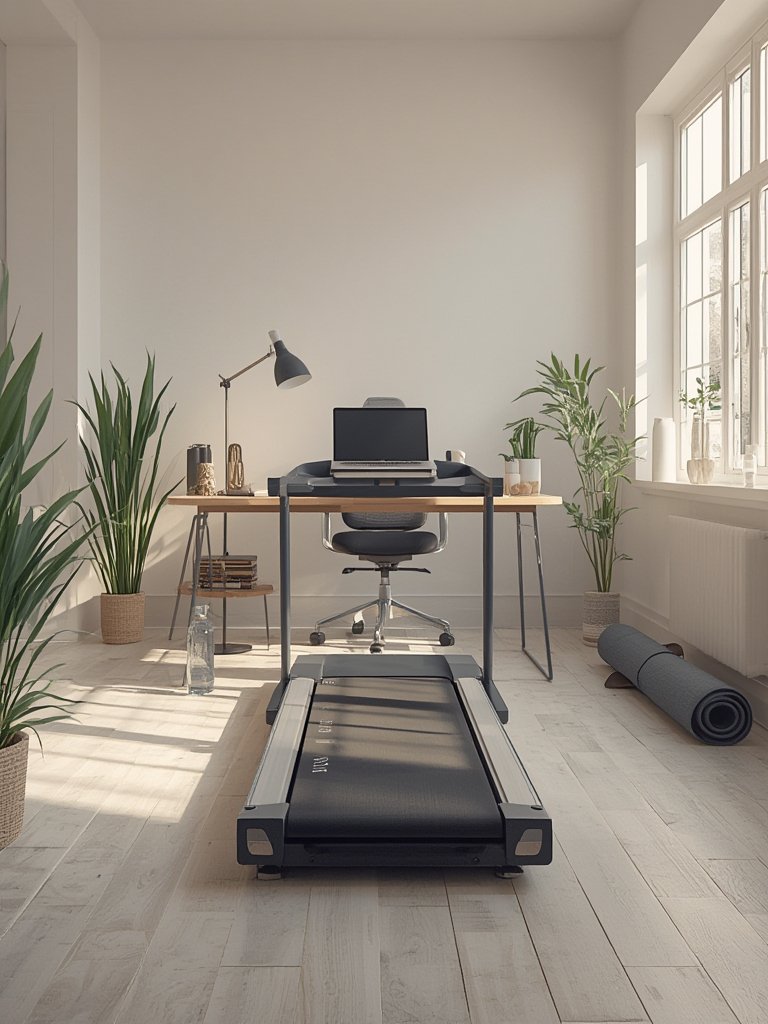
Before buying a movement desk, compare the essentials. The following is a concise, printable checklist for smart buyers:
- Noise level: Measured in decibels (dB). Under 55 dB is ideal for meetings or calls. Test in-store if possible.
- Speed range: 0.5–4 mph covers everyday walking; only specialized models offer higher top speeds.
- Motor HP: For all-day office use, look for 2.0 HP (continuous duty) or above to avoid overheating.
- Belt size: At least 18″ width for comfortable strides; 20+” for taller users.
- Weight capacity: Must exceed your weight plus daily bag load (backpacks, etc).
- Incline: Rare for walking workstations; not critical but some premium models offer this.
- Footprint: Measure your available space, and check desk clearance for seamless setup.
- Warranty: Minimum 2–5 years on motor and frame for mid-to-premium models. Clarify terms for electronics/deck.
- Returns & setup: Confirm easy return policy and ask about “white glove” delivery/install if ordering online.
These details aren’t consistently disclosed by all sellers, and our research found Consumer Reports highlighting inconsistent safety and build quality—making independent spec verification non-negotiable.
For deeper ergonomic setup details, check our Ultimate Ergonomic Desk Setup Guide.
Health benefits — what credible research actually supports (and what remains unproven)
Many lists claim “walking while working” boosts metabolism, productivity, and even memory. What does published evidence say? As of this writing, no peer-reviewed meta-analysis or large clinical study has decisively quantified the benefits of treadmill desks. Most online claims rely on anecdote, like one user reporting long-term productivity improvement [see review].
- Calorie burn: Studies of standing or slow walking suggest 80–100 kcal extra per hour compared to sitting, but definitive treadmill desk data is limited to small trials (see PubMed.gov for emerging studies).
- Back pain: Some users report less discomfort, but no peer-reviewed consensus exists as of mid-2024.
- Cognitive impact: Controlled research on task accuracy and focus is sparse; several users report difficulty deep focusing while walking, especially when using a mouse.
- Weight loss: Direct, sustained weight loss is rare unless paired with dietary changes and consistent daily use.
Recommendation: Reference only peer-reviewed studies when comparing health claims, and discount influencer anecdotes unless they clearly cite clinical evidence. See our Smart Standing Desk Productivity Guide for a research-focused take on desk ergonomics.
Safety and ergonomic setup — critical rules for home and office use
Proper setup is make-or-break for comfort, focus, and safety. Here’s a distilled guide (also available as a printable one-page checklist):
- Desk height: Adjust so forearms are parallel to the floor with shoulders relaxed; standing desks with electric adjustment are ideal.
- Monitor: Center at eye height to prevent neck strain.
- Keyboard + mouse: Try a split or vertical mouse to reduce arm fatigue; use a keyboard tray for better wrist alignment.
- Walking speed: For heads-down typing, 1–1.5 mph is best; for calls or reading, up to 2 mph is achievable for most.
- Breaks: Plan hourly breaks to stretch and rest your arms—mouse/shoulder fatigue is a top complaint.
- Flooring: Use an anti-slip mat and keep the path free of loose cables.
- Emergency stop: Test this function on arrival; ensure it’s reachable at all times.
To further improve your workstation’s ergonomics, read our Ultimate Ergonomic Desk Setup Guide (2026). Please note: The lack of formal ergonomic guidelines and certification means you must independently verify product claims on safety features, maximum speed, and side rail options. As Consumer Reports notes, some units are poorly constructed—so review safety certifications before purchase [Consumer Reports].
- Verify desk stability and motor controls before stepping on.
- Position emergency stop in easy reach at all times.
- Avoid loose clothing; secure shoelaces and remove trip hazards.
- Set reminders for posture checks every 30–60 min.
- Ensure all electronics are surge protected and cords are organized.
Compare: treadmill desks vs under-desk bikes vs standing desks
Choosing the right “active work desk” setup isn’t just about movement—it’s also about noise, desk compatibility, and your work routine. Here’s a simple comparison:
| Feature | Treadmill Desk | Under-Desk Bike | Standing Desk |
|---|---|---|---|
| Movement Variety | Step/Walk | Pedal (Seated) | Static (Stand/Sit) |
| Productivity Impact | Mixed (see user 10/10; others report multitask issues) | Good for reading/calls; typing less optimal | No movement, but no “activity fatigue” |
| Noise | Low to Moderate (depends on model) | Very low | None |
| Footprint | Med-Large | Small-Med | Small |
| Price/Value | $350–$2200+ | $120–$500 | $200–$700+ |
| Best For | Increasing daily steps, breaking up sitting | Light movement while seated | Frequent static postural changes |
Smart rule: If you crave more steps in a day, go for a treadmill desk. If you’re after minimal seated movement, pick an under-desk bike. Need simple ergonomic variety or the lowest noise? A standing desk (optionally with a posture trainer—see our wearable guide) may suffice.
Top 3 buyer questions competitors leave underanswered (content gap to target)
- Market Context: What are the real market size, sales growth, and user demographics in 2024–2026? (Solution: Pull the latest numbers from Statista, Grand View Research, or Mordor reports before purchase. These reveal if now is the optimal time to buy or if adoption is peaking.)
- Clinical Evidence: Which health or productivity benefits are peer-reviewed and what are the effect sizes? (Solution: Rely on PubMed, JAMA, or Cochrane Library studies over anecdotal successes. Cite effect sizes and study limits.)
- Detailed Specs & Safety: Exactly how do treadmills in each price tier compare on noise, motor specs, and warranty? Which models have certified safety standards? (Solution: Extract side-by-side data from manufacturer spec sheets and warranty PDFs.)
By providing these specifics, this guide closes the core information gap buyers like Jamie care most about in choosing their treadmill desk or walking workstation.
Research sources and data points to pull before writing (actionable checklist for the writer)
To produce genuinely reliable treadmill desk content—and avoid repeating current search result limitations—writers should:
- Source up-to-date market size, growth rates, and demographic splits from Statista, Grand View Research, or Mordor Intelligence.
- Survey peer-reviewed health journals (PubMed, JAMA, Cochrane) for randomized trials and meta-analyses on workplace walking and productivity/health impact.
- Compare top manufacturer spec sheets and warranty documentation for detailed stats: motor HP, noise dB, belt dimensions, weight capacity, warranty terms (all categories).
- Reference Consumer Reports and safety organizations (OSHA, American Chiropractic Association) for safety standards, certifications, and setup tips.
- Run competitive analyses with tools like SEMrush or Ahrefs to identify gaps in competitor articles and ensure your guide is uniquely actionable.
For a deeper look at ergonomic office solutions, see our Ultimate Ergonomic Desk Setup Guide.
Final buying flow and call-to-action (convert)
Ready to take the next step? Here’s a buyer journey to minimize regret and maximize ROI:
- Shortlist the top 3 treadmill desk models in your budget range—entry, mid, or premium—by comparing side-by-side specs (noise, speed, warranty).
- Use a test/return policy checklist: Review if trial and return shipping are free, and ask about assembly support or “white glove” install services.
- Plan your install for a safe, ergonomic fit (see above checklist) and schedule a 2–3 week test period for honest assessment.
If you want, we’ll fetch 3 models in each price tier with specs and links—just check our affiliate shop page for up-to-date options.
Ultimately, “Treadmill Desk” use leads to mixed outcomes: Some users sustain higher productivity and step counts, while others stop and regain weight. Ratings vary from “10/10” satisfaction [source] to real construction and safety concerns [Consumer Reports]. Make sure your final decision is built on hard data, not just social proof.
Compare models, specs, and warranty terms on our affiliate shop page—and walk with purpose into a more dynamic workday.
FAQ
How many hours a day should you use a treadmill desk?
Start with 30–60 minutes in split sessions, then adjust based on comfort and the tasks at hand. Most users max out at 2–4 hours walking per day to avoid fatigue and loss of focus.
Are treadmill desks safe for home offices?
They are generally safe if set up correctly—ensure a stable desk, test the emergency stop, and follow manufacturer weight and usage guidelines. Consumer Reports cautions that some cheaper brands have safety issues, so check for certifications.
Can walking while working really improve productivity?
Results are mixed: Some report improved alertness and mood, others struggle with multitasking or mouse fatigue. No large-scale peer-reviewed study confirms a productivity boost, so individual results may vary.
What is the best speed for desk treadmill work?
For typing and computer-focused tasks, keep treadmill speed between 1–1.5 mph to balance movement and accuracy. Faster speeds are better for calls or non-typing work.
How do treadmill desks compare to standing desks?
Treadmill desks increase step count and reduce sitting but require adjustment and are noisier. Standing desks offer static postural change with lower fatigue and no moving parts. See our Smart Standing Desk Guide for more detail.