



### Blog Post:
Sustainable Ergonomic Chair solutions are changing how modern offices balance comfort and eco-friendly design. Whether you work from home or in a corporate workspace, choosing a truly sustainable ergonomic chair goes beyond buzzwords—real impact and quality matter with every purchase.
Key Takeaways
- Eco-conscious demand is driving interest in sustainable ergonomic chairs, with products featuring environmental certifications commanding up to 22% higher price premiums.
- Most brands now offer chairs using recycled metals, FSC-certified wood, and other green materials, but buyer data on comfort and durability remains limited.
- Leading manufacturers like Herman Miller and Steelcase are setting benchmarks with recyclable components and carbon-neutral production, yet quantitative environmental impact data is still lacking.
- Understanding Sustainable Ergonomic Chairs
- How to Choose a Sustainable Ergonomic Chair: Step-by-Step Guide
- Deep Dive: Advanced Analysis & Common Pitfalls
- Conclusion
- FAQ
Understanding Sustainable Ergonomic Chairs
Sustainable ergonomic chairs combine health-focused seating features with materials and processes that minimize environmental harm. Unlike standard office chairs, a sustainable ergonomic chair is typically produced using recycled plastics or metals, responsibly sourced wood, and low-emission manufacturing. These chairs are designed to provide comfort for long hours, proper lumbar and posture support, and flexibility—while reducing your workspace’s carbon footprint.
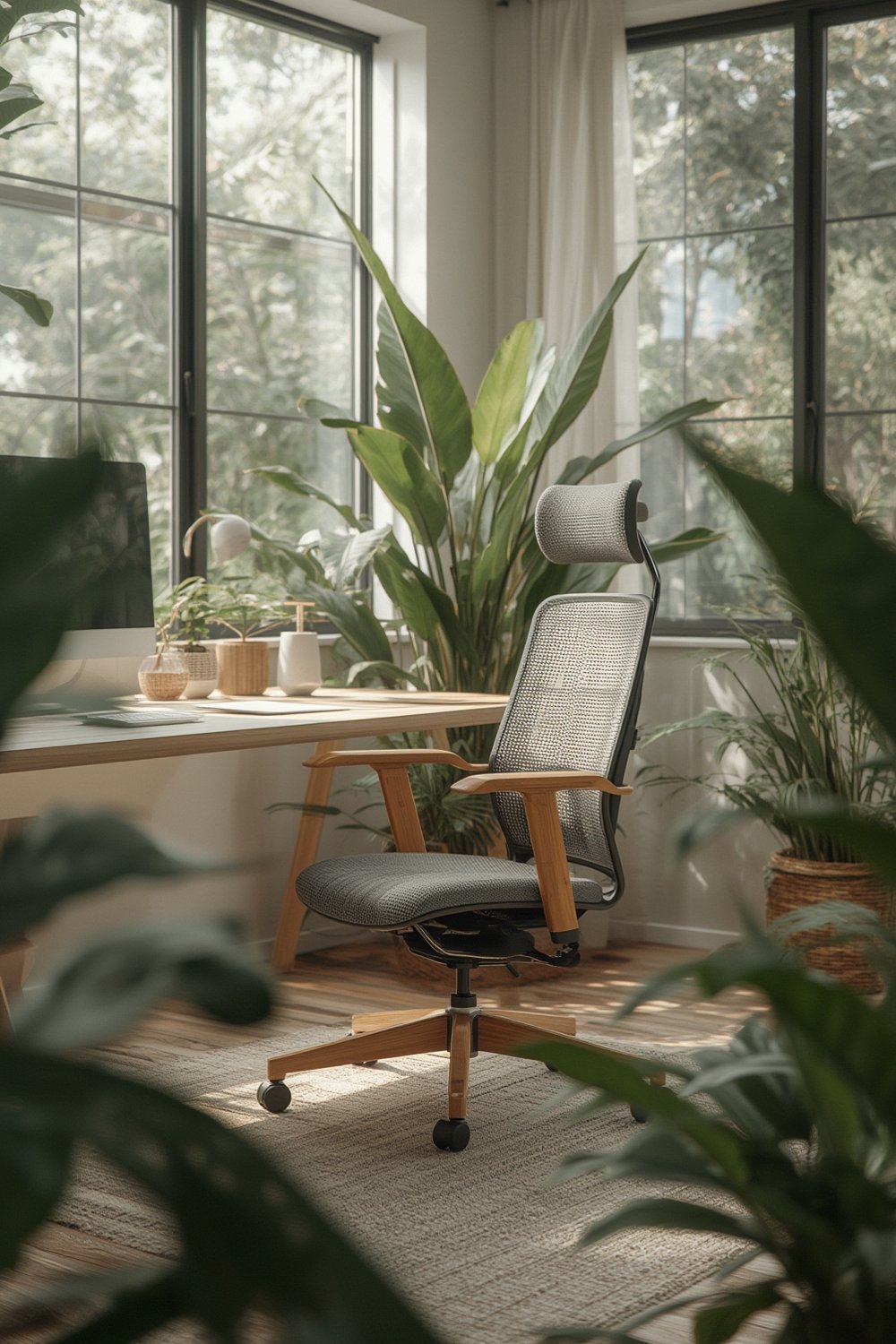
The push for sustainable ergonomic chairs has accelerated as over 40% of ergonomic furniture buyers now state that sustainability directly influences their purchasing choices. Consumers look for certifications like FSC for wood, or Greenguard, and even prefer brands known for circular economy initiatives. Recent reports confirm these trends but also highlight a lack of cross-industry standards and clear third-party data on materials and impacts.
For a truly holistic office upgrade, pair your sustainable ergonomic chair with a proper desk and monitor setup—see our detailed ergonomic desk setup guide for actionable tips to boost comfort and productivity.
How to Choose a Sustainable Ergonomic Chair: Step-by-Step Guide
Shopping for a sustainable ergonomic chair requires more than picking out an “eco-friendly” label. Here’s a practical, step-by-step framework to make a genuinely better choice for both your health and the planet.
- 1. Prioritize Sustainable Certifications
Look for reliable sustainability marks such as FSC for wood components (guaranteeing responsible forestry) and Greenguard (certifying low chemical emissions). The BIFMA LEVEL mark indicates rigorous analysis of environmental and social impacts. - 2. Material Transparency Matters
Seek out chairs built with post-consumer recycled plastic, extra-durable recycled metals, or renewable fibers like bamboo. Materials should be clearly listed, not just summarized as “eco-friendly.” Third-party data on this is still limited—refer to manufacturer documentation and press releases. - 3. Assess Adjustability and Ergonomics
Do not sacrifice comfort for sustainability. A proper sustainable ergonomic chair should offer lumbar support, recline adjustments, seat height controls, and weight capacity suitable for daily office use. - 4. Scrutinize Manufacturer Practices
Favor brands with a proven track record—such as Herman Miller and Steelcase—who publish sustainability or CSR reports online. Their investments in recyclable components, energy-efficient production, and carbon neutrality (source) often go beyond minimum requirements. - 5. Calculate the Real Cost
Eco-branded ergonomic chairs typically cost about 22% more than their traditional equivalents. For instance, a typical chair at $350 may increase to around $427 with sustainable credentials (source). - 6. Consider Repairability and End-of-Life
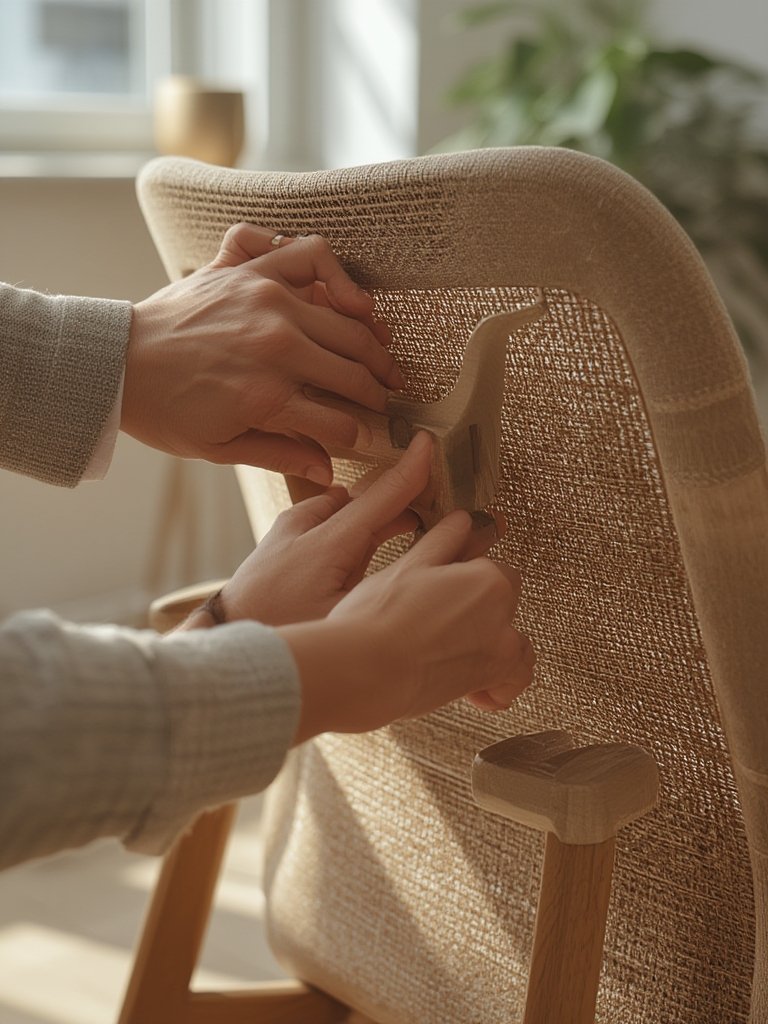
Replaceable cushions or modular parts extend chair life and reduce landfill. While few brands offer these features, ask specifically about repair kits or part replacements.
Want a complete office comfort upgrade? Our Ultimate Ergonomic Desk Setup Guide explores pairing seating with smart desk and monitor placement to improve focus, something most sustainability-first articles miss.
For tech-savvy readers, combining ergonomic seating with digital posture trainers can boost back health—see this posture tracking wearables for cutting-edge options.
Deep Dive: Advanced Analysis & Common Pitfalls
Despite growing demand, there are key issues and gaps to be aware of when shopping for a sustainable ergonomic chair:
- Lack of Comparable Certification Data: Leading brands claim Greenguard, FSC, or other marks, but there’s no central database to benchmark how certifications stack up—most buyers must rely on brand documentation.
- Missing Comfort or Adjustability Features: Some budget “green” chairs may skip adjustable lumbar support or advanced reclining to cut costs, potentially compromising your workspace ergonomics.
- Unclear Lifecycle Impact: Few brands publish clear numbers on carbon footprint reduction or waste-diversion compared to standard chairs. Lifecycle analysis is still lacking for most models (source).
- Warranty and Durability Trade-offs: Sustainability sometimes comes at the cost of shorter warranties or less robust parts, especially in early-stage product lines. Best-in-class products balance green credentials with multi-year coverage.
- Price Premiums Without Transparency: A significant 22% price bump is common for sustainable office chairs, but not all brands provide transparent sourcing or recycling data to justify this (source).
| Feature | Sustainable Ergonomic Chair | Traditional Ergonomic Chair |
|---|---|---|
| Material Origin | Recycled plastics, FSC wood, low-VOC fabrics | Virgin plastics/metals, conventional foams |
| Certifications | FSC, Greenguard, BIFMA LEVEL | Usually none |
| Price | About 22% more than standard | Industry average |
| Adjustability | Varies—some budget models may lack advanced support | Full adjustability standard |
| Lifecycle Data | Rarely published | Not provided |
| End-of-Life Options | Limited, depends on brand | Landfill is common |
If your main focus is comfort and productivity, explore how sustainable chairs fit within a total workspace solution—our Smart Standing Desk Guide explains further.
Choosing eco-friendly office seating is crucial for a green workspace.

Conclusion
Choosing the right sustainable ergonomic chair calls for research and realism. Although eco-friendly designs are growing fast and brands are innovating with greener materials, data on comfort, durability, and genuine environmental benefits still falls short. Weigh features and certifications, ask manufacturers tough questions, and consider the total workspace impact. A truly sustainable ergonomic chair should safeguard both your well-being and that of the planet—without costly trade-offs.
Ready for a more comfortable, healthier, and eco-safer workspace? Take your next step with our expert ergonomic setup advice for outstanding results.
FAQ
What makes a chair both sustainable and ergonomic?
A sustainable ergonomic chair uses recycled, responsibly sourced, or certified materials and provides full adjustability to ensure comfort and healthy posture. Look for certifications and transparent manufacturing descriptions for the best of both.
How can I tell if a chair is truly eco-friendly?
Ask for specific certifications like FSC for wood or Greenguard for low emissions, and check if the manufacturer discloses recycled content or takes back old chairs for recycling. Beware of vague “eco” claims without concrete details.
Are sustainable ergonomic chairs less durable?
Durability varies by brand and model. Some sustainable chairs are now as robust as conventional options, but check warranty lengths and look for replaceable parts for best long-term value.
Do all sustainable ergonomic chairs cost more?
Most eco-friendly chairs do carry a price premium—about 22% above traditional models—because of material sourcing and certification. However, prices are falling as competition and green material supply improve.
Which brands lead in sustainable ergonomic chairs?
Brands like Herman Miller and Steelcase are current leaders, focusing on high recycled content, product take-back, and transparency on production impacts.