


### Blog Post:
Posture Tracking Wearable devices are transforming the way office workers and remote professionals manage their health in 2024. With rising awareness around back pain and work-related strain, these wearables use smart sensors to track and improve your posture throughout the day. In this guide, you’ll get unbiased, actionable insights on the real impact, limitations, and best practices for these modern ergonomic tools.
Key Takeaways
- The posture tracking wearable market was worth $1.2 billion in 2024 and is growing fast, especially among professionals who work from a desk.
- User complaints, technical specs, and clinical effectiveness data are still underreported—so manage your expectations if considering these devices.
- For better results, combine wearables with an ergonomic desk setup and regular movement breaks for long-term posture improvement.
- What Is a Posture Tracking Wearable and Why Should You Use One?
- How to Use a Posture Tracking Wearable Effectively
- Advanced Analysis & Common Pitfalls
- Conclusion
- Frequently Asked Questions
What Is a Posture Tracking Wearable and Why Should You Use One?
A posture tracking wearable is a sensor-equipped device that monitors your body alignment in real-time. Most attach to your upper back or clothing and connect with a mobile app via Bluetooth. The key idea: if you slouch, the wearable vibrates gently or sends a notification so you can adjust your position. This real-time feedback is meant to help train your body and prevent the bad habits that often lead to back pain, especially if you spend hours at a desk.

According to market research, the demand for these devices is skyrocketing. The market is expected to quadruple by 2033, with North America currently representing 38% of global sales, largely due to health issues arising from sedentary lifestyles. In Asia Pacific, adoption is even faster due to tech enthusiasm in countries like Japan, China, and India.
However, wearables aren’t a “set it and forget it” solution. For meaningful, lasting changes in posture and comfort, these devices work best alongside an ergonomic desk setup, proper chair adjustment, and frequent movement. Their real value lies in raising your awareness and making it easier to build healthy habits in today’s remote and office-heavy work culture.
How to Use a Posture Tracking Wearable Effectively
You bought a posture tracking wearable. Now, how do you actually use it for noticeable results? Follow these straightforward steps to make sure your investment pays off:
- Read the Instructions. Each posture tracking wearable is a bit different. Before use, check the brand’s setup video or guide so you don’t skip any calibration steps.
- Find the Optimal Placement. Most trackers attach between your shoulder blades, on your upper back, or clip to your clothing. Secure placement is key for accurate alerts.
- Install and Pair the App. Download the companion app, enable Bluetooth, and follow the pairing prompts. Many apps track stats over time, offer posture tips, and let you adjust vibration strength or sensitivity.
- Set Realistic Goals. Use your first week to track your natural slouching patterns. Gradually increase your upright time each day—instead of aiming for perfection from day one.
- Integrate Microbreaks. Every time your wearable vibrates, use it as an opportunity to stretch or stand up. Regular movement is just as critical as correcting posture.
- Review Your Progress Weekly. Use your app’s analytics to spot patterns. Celebrate improvement even if it’s just 5-10% better each week. Small wins keep you motivated during habit formation.
- Adjust Settings for Comfort. If you’re getting too many reminders or feel physical discomfort, lower the device’s sensitivity or work on better ergonomic positioning at your workstation.
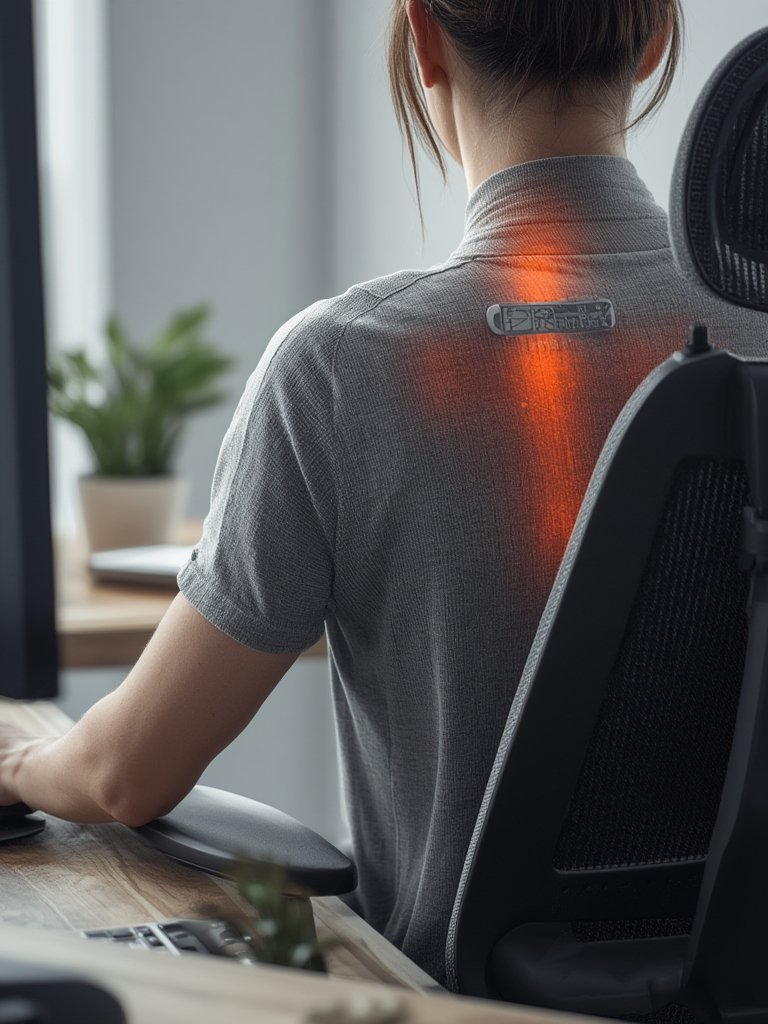
Lastly, always support your wearable use with an ergonomic desk. If you’re uncertain where to start, check out the Ultimate Ergonomic Desk Setup Guide for an easy 3-step process to complement your smart device.
Advanced Analysis & Common Pitfalls
Despite their popularity, posture tracking wearables are not perfect. Here’s a realistic look at the most common problems, barriers, and what current research says:
- Lack of Scientific Proof: There are no peer-reviewed studies confirming that wearables, vibrating alerts, or companion apps significantly improve posture or reduce pain long term. Market reports focus on sales, not real-world outcomes (source).
- Missing Technical Specs: Brands rarely publish technical data like battery life or sensor accuracy. You may not know how accurate or durable a device is compared to its competition.
- Low Customization: Some devices offer limited ability to adjust vibration strength, alert frequency, or track nuanced ergonomic cues beyond basic slouching.
- Alert Fatigue: If your wearable buzzes too frequently, you may start tuning it out entirely—defeating its main benefit. Find a balance between real reminders and constant interruptions.
- Long-Term Wearability: Some users report discomfort, skin irritation, or device slippage after hours of use—especially if worn against bare skin or under tight clothing.
- Lack of Transparency on Privacy: Current industry reports do not address how posture data is stored or who has access to it. As with any connected wearable, there may be security risks when your posture analytics are uploaded or synced via cloud-based apps.
- Unrealistic Expectations: Wearables are most effective when part of a holistic approach. On their own, they are unlikely to solve deep-seated postural or musculoskeletal issues developed over years.
| Device Feature | Posture Tracking Wearables (Typical) | What’s Missing? |
|---|---|---|
| Battery Life | Publisher rarely specified; some last days, others weeks | No verified rankings or comparisons available |
| Sensor Accuracy | Marketed as “AI-powered” or “advanced”, no published accuracy data | Brands avoid clear sensor performance stats |
| Bluetooth/App | Most use standard Bluetooth + app pairing, fitness data sync | Compatibility and data privacy not always transparent |
| Form Factor | Clip-on, adhesive, or wearable strap | No device shows dominance in comfort for all-day use |
| Clinical Effectiveness | No published studies | No current devices with clinical validation data |
Whether you’re choosing a device for rehabilitation or to boost productivity, always research third-party reviews before purchase. And if continuous reminders feel overwhelming, try focusing first on proper desk ergonomics to set yourself up for posture wins before you even power up the technology.

Conclusion
Posture tracking wearables can raise your awareness and reinforce healthier habits, especially if you work long hours at a desk or at home. But without clear technical data, user pain point transparency, or clinical research, these tools are still best viewed as helpful companions—not silver bullets. Combine a ergonomic workspace with your posture tracking wearable for reliable, long-term improvement. Ready to try one? Start small, set realistic goals, and always put comfort first.
Curious how a posture tracking wearable fits into your overall office setup? Check out our ergonomic desk guide for step-by-step adjustments every professional should know.
Frequently Asked Questions
Are posture tracking wearables clinically proven to improve posture or reduce pain?
No. As of 2024, there are no published clinical studies confirming the effectiveness of posture tracking wearables or their feedback features for long-term improvement. Most claims are based on user testimonials and projected benefits. Source.
What’s the average price for a posture tracking wearable in 2024?
Exact pricing varies widely by brand and region. Detailed market reports do not list specific real-world prices, but posture wearables are generally marketed as affordable entry-level devices, often under $100. Shop around and look for online deals to compare models.
Do posture tracking wearables fit everyone comfortably?
Not always. Some users report discomfort, device slippage, or irritation after hours of wear—especially when attached directly to skin or tight clothing. Try different placements, and take breaks if needed.
Are there data privacy concerns with these devices?
This is an area with little transparency. Most market reports do not address how personal posture data is handled, stored, or protected. Review the privacy policy of your device’s app before syncing any sensitive information.
Is a posture wearable enough to fix my back pain?
No device can single-handedly fix chronic pain or posture issues. For best results, combine your wearable use with a dedicated ergonomic desk setup, movement breaks, and, if needed, professional advice.
—