

### Blog Post:
Neurodiverse Workspace Design remains one of the biggest untapped business opportunities of 2024—yet most organizations lack a clear, actionable plan for making sensory-friendly improvements that measurably benefit productivity and retention.
Key Takeaways
- 15–20% of the workforce is neurodivergent, yet they face much higher unemployment and increased risk of exclusion due to overlooked sensory barriers.
- Direct ROI figures for accommodations are rare, but major firms report 90–140% productivity gains and notable boosts to staff wellbeing through neuroinclusion.
- Actionable, condition-specific workspace changes for autism and ADHD require pragmatic solutions and more primary research.
- Why Neurodiverse Workspace Design Matters — workforce scale and business impact
- Common negative experiences neurodivergent professionals report in traditional offices
- Evidence-based core design elements (lighting, acoustics, layout, ergonomics) — what the literature does and does not show
- How autism-friendly workspace adjustments differ in practice from ADHD-optimized desks
- Cost tiers, expected ROI, and how to build a business case for sensory-friendly changes
- Top 3 underexplored sub-topics competitors miss (and the original research you should add)
- Real-world examples and what they measured (case studies, limits in home-office data)
- Practical 30–90 day implementation roadmap (for employers and for remote workers)
- Measurement framework — KPIs, data collection, and case-study templates
- Sources to cite and expert interview checklist
Why Neurodiverse Workspace Design Matters — workforce scale and business impact
Neurodiverse Workspace Design is not just a compliance checkbox. Neurodivergent individuals now represent 15–20% of the global population (Gallup, 2024). Despite this, the US employment-population ratio for people with disabilities (including neurodivergence) was only 22.7% in 2024, versus 65.5% for those without disabilities (BLS, 2024). In the UK, only 31% of neurodiverse individuals are employed (Neurodiversity Directory).
These numbers reveal a huge gap—and an opportunity. The business impact is substantial: organizations that lead in neuroinclusion report lower turnover, fewer absence days, sharper retention, and legal resilience. With neurodivergent talent so often sidelined by traditional workspaces and policies, tangible action on Neurodiverse Workspace Design is now a business, cultural, and regulatory imperative.
Common negative experiences neurodivergent professionals report in traditional offices
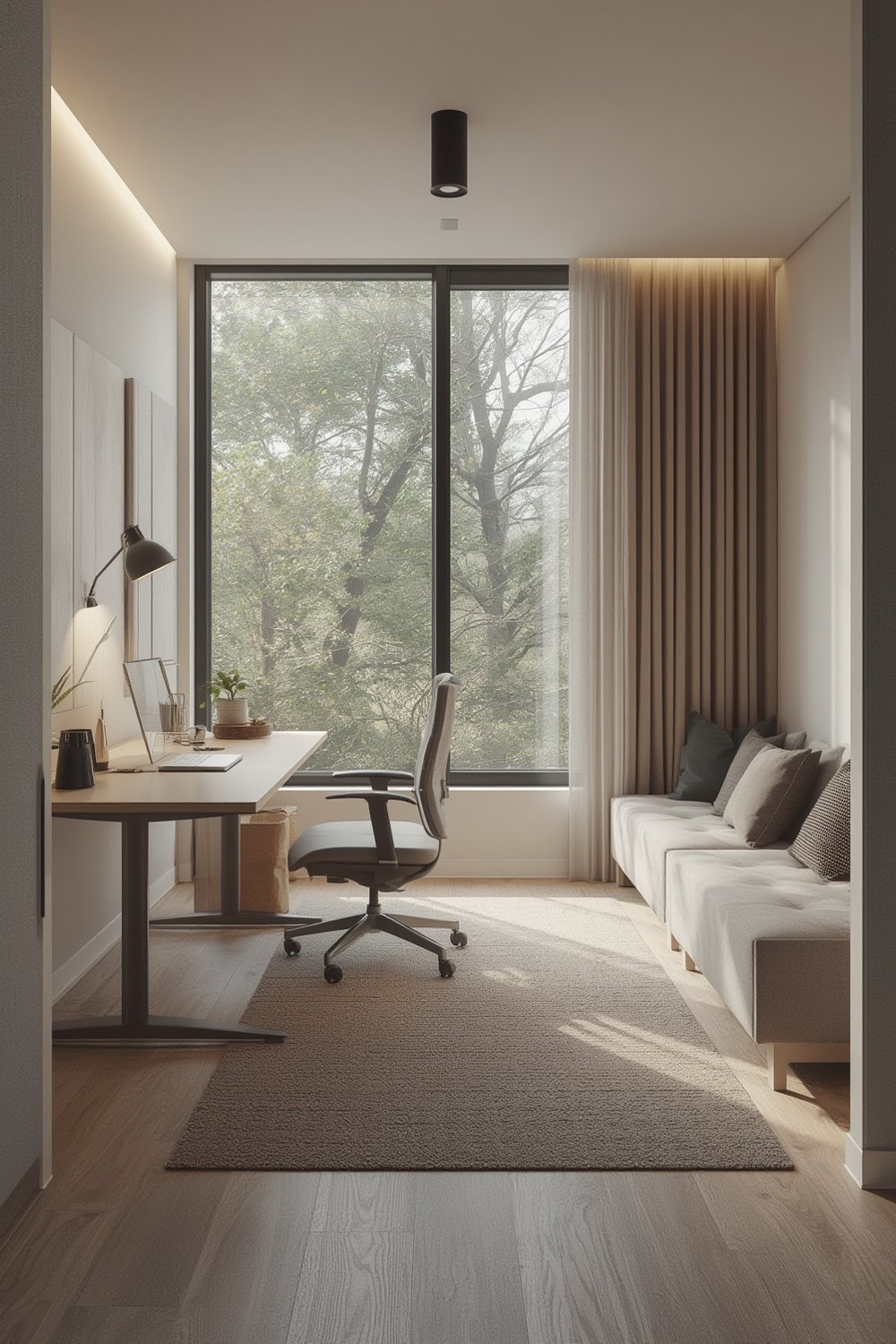
While 2024 research lacks granular statistics on specific sensory complaints, the qualitative picture is well established. Sensory overload, unpredictable noise, harsh lighting, and open-plan distractions top the list of reported issues for neurodivergent employees. Many describe touchpoints where the workspace fails: constant background noise, flickering or overly bright lights, and lack of control over personal space (or absence of quiet or low-stimulation zones).
Sensory-Friendly Office Setup is largely missing from traditional design, and inflexible policies further exacerbate difficulties. Poor accommodation protocols, cognitive overload from busy environments, and exclusionary recruitment or review processes are frequent, if under-reported, barriers. These challenges fuel high dropout and unemployment rates, compounding the broader organizational risks.
It’s important to acknowledge that while definitive complaint lists or sensory data for 2024 are missing, systemic barriers—including unsuitable environments—are repeatedly cited as exclusion drivers (Gallup, 2024).
Evidence-based core design elements (lighting, acoustics, layout, ergonomics) — what the literature does and does not show
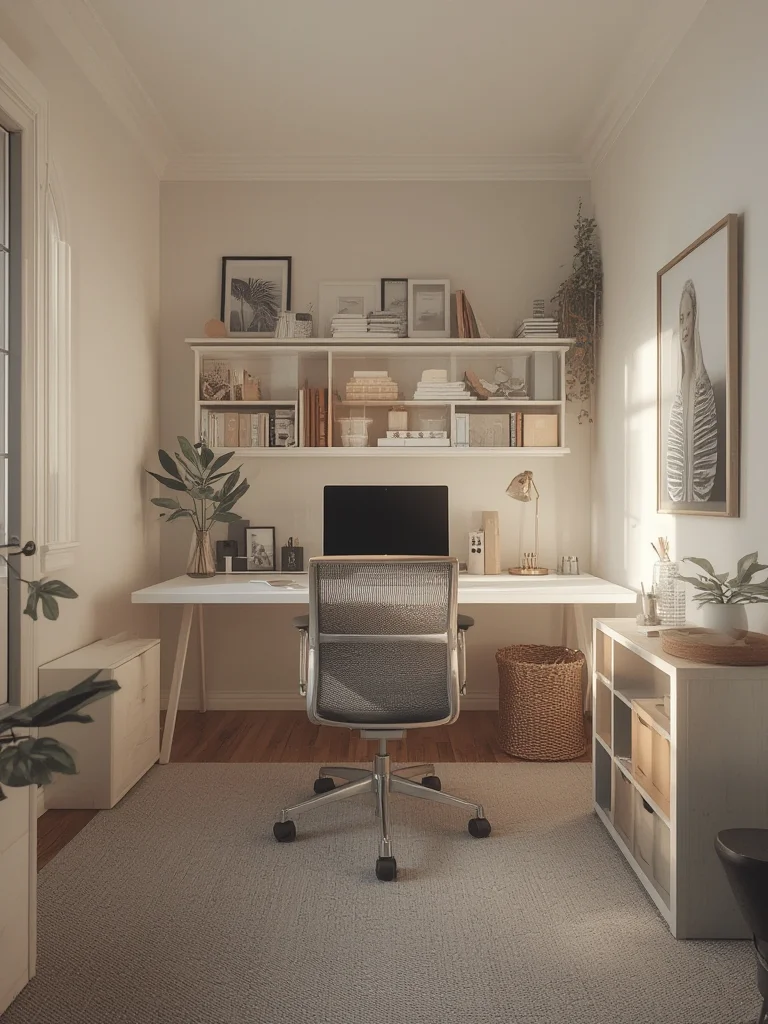
The direct clinical evidence for specific design elements—like lighting type, acoustic treatments, or desk layout—remains frustratingly sparse. No published studies in 2024 quantify the impact of particular lighting lux, precise dB reductions, or exact workstation arrangements on people with autism or ADHD. However, organizations and neurodiversity advocates broadly agree that these four elements matter most:
- Adjustable lighting: Preference for indirect, dimmable, or daylight-mimicking options; avoid flicker, high-contrast or fast-changing lighting. Target 300–500 lux for general work and avoid fluorescent overheads where possible (CIPD, 2024).
- Acoustics: Seek noise reductions to 45 dB or lower in quiet zones. Use desktop screens, soft panels, and noise-cancelling headphones as both low- and mid-cost interventions.
- Layout: Prioritize modular, reconfigurable desks—split open plan into smaller visually shielded nooks. Use clear wayfinding for predictability.
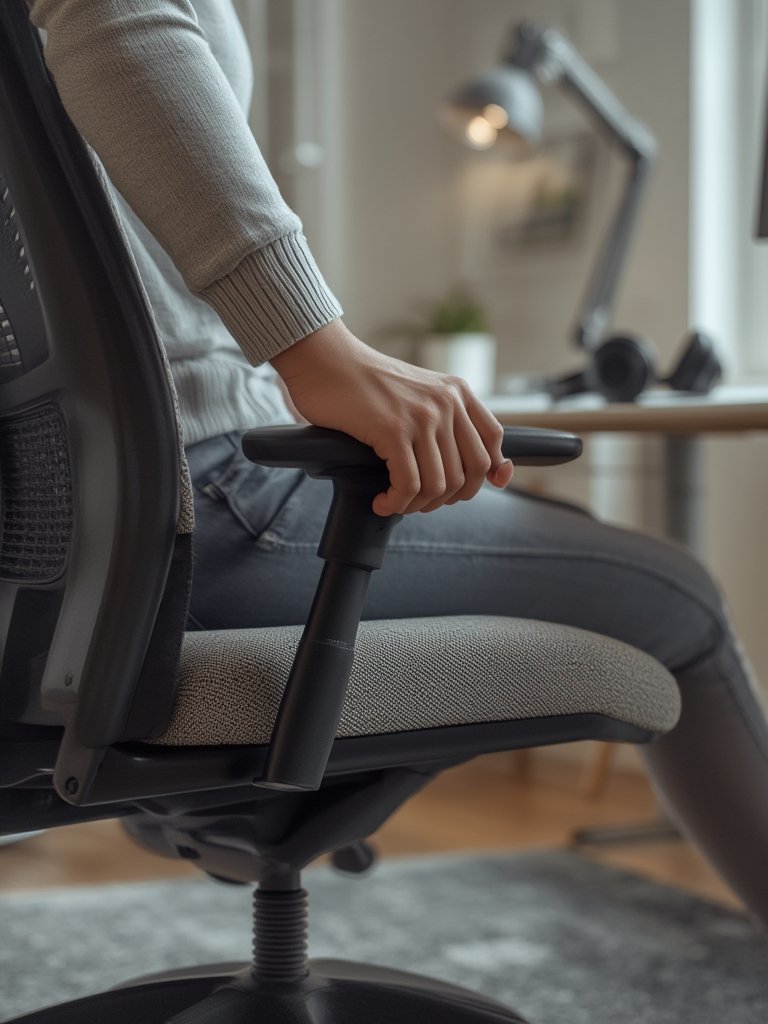
- Ergonomics and fidget supports: Options such as sit-stand desks, textured fidget bands, and posture-improving supports (see The Ultimate Ergonomic Desk Setup Guide).
Given the lack of clinical trials tying these directly to outcomes in autism or ADHD, these recommendations are best-practice proxies grounded in self-reported preference and environmental psychology—not definitive science. This knowledge gap is itself a call to action for robust, condition-specific validation.
How autism-friendly workspace adjustments differ in practice from ADHD-optimized desks
Most office makeovers lump neurodivergent needs together, but the underlying accommodations required differ significantly by condition.
- Autism-friendly workspace: Prioritize sensory predictability and reduction. Use neutral color palettes, reduce visual and auditory clutter, and provide access to “escape” spaces with levels below 45 dB and dimmable warm lighting. Install blackout shades for light control. Try consistent layouts and signage.
- ADHD optimized desk: Emphasize cues for focus. Use modular surfaces to invite task segmentation. Add visual timers or time cubes. Offer structured organizational tools—cubbies, cable trays, and high-contrast to-do boards. Fidget-friendly items like balance stools or stress relievers are a low-cost win. Adjustable sit-stand desks can facilitate movement breaks (see: Smart Standing Desk: 7 Best Ways to Boost Productivity).
Where overlap exists, default to modularity and adjustability: desk screens on wheels, personal desk lamps, and plug-and-play acoustic elements. All recommendations draw on practitioner and occupational therapy consensus—research quantifying “what works” for each diagnosis is still lacking (Genius Within, 2024).
Cost tiers, expected ROI, and how to build a business case for sensory-friendly changes
No research source provides a true average cost or ROI for sensory-friendly retrofits, but cost-conscious managers can use budget tiers and established benchmarks for a data-driven case:
- Low tier (<$200/seat): noise-cancelling headphones, dimmable task lighting, basic fidget cubes, desk organizers. Example: wire mesh desk panel ($40), timer cube ($20).
- Mid tier ($200–$1,500/seat): Mobile acoustic panels, dimmable LED overheads, sit-stand desk converters, posture monitoring wearables (see: Posture Tracking Wearable Guide).
- High tier ($1,500+/seat): Full sit-stand workstations, custom acoustic ceilings, advanced lighting systems with app control, modular room dividers.
For ROI, proxy metrics include:
- Productivity: JPMorgan Chase reported 90–140% productivity boosts in its neuroinclusive roles (Neurodiversity Directory).
- Wellbeing: CIPD 2024 shows 63% of firms saw improved wellbeing; 55% cited stronger culture.
- Retention: Fewer complaints, reduced turnover, and lower absenteeism are typical.
While these are not line-by-line cost savings, they can anchor a business case—especially when combined with risk mitigation (compliance, legal challenge avoidance) and staff survey improvements after pilot changes.
Top 3 underexplored sub-topics competitors miss (and the original research you should add)
- Empirical studies on sensory elements: No competitor or peer-reviewed source directly measures the impact of lighting acoustics or layout on autism or ADHD outcomes. Organizations piloting changes should collect pre/post noise, lux, satisfaction, and productivity data.
- Cost–benefit analyses and ROI models: There is no published benchmark for “ROI per dollar spent”—capture pilot data on absenteeism, productivity, and staff feedback to build internal models.
- Granular condition-specific design: Every org assumes a “one-size fits all” solution. Stakeholders should document and compare the specific results of autism vs ADHD specific modifications, including technical specs (e.g., minimum desk width, preferred noise type, color temperatures that reduce distraction).
Filling these gaps is a strategic differentiator and supports futureproof, more inclusive workspace standards.
Real-world examples and what they measured (case studies, limits in home-office data)
Large organizations are beginning to share measured outcomes—but real case studies for neurodivergent home offices remain rare. JPMorgan Chase’s Autism at Work team saw participants outperform neurotypical peers (90–140% more productive), and the CIPD found 63% of neuroinclusive companies report improved employee wellbeing (CIPD, 2024).
However, since 2022 virtually no documented home office case studies with hard metrics exist. Most home-based changes are anecdotal: investing in a sensory control office setup—adding blackout curtains, high CRI LED task lights, or affordable acoustic tiles—shows promising self-reported benefits, but published data is lacking.
This is an opportunity for in-house teams and solo remote workers to run simple A/B or pre/post pilots and publish results, advancing the field.
Practical 30–90 day implementation roadmap (for employers and for remote workers)
A time-boxed, phased approach is essential for budget-limited HR or Facilities leaders (and for remote workers piloting change):
- Assess: Run a sensory audit using self-report and decibel/lighting measurements. Identify “pain points” in focus areas, breakrooms, private offices, and high-traffic paths.
- Pilot (first 30–45 days): Select 2–3 high-impact, low-cost changes (e.g. desk headphones, shielded lamps, one quiet room) for a small group. Set “before and after” KPIs: number of complaints, focus time, and subjective wellbeing.
- Scale (60–90 days): Review results and expand. For remote workers: Budget upgrades in monthly phases—start with lighting, then noise, then layout (see our Ergonomic Desk Setup Guide for remote-friendly improvements).
- Embed policy and procurement: Update accommodation request flows for clarity. Start inclusive procurement: source modular products and include neurodivergent workers in vendor demos. Add policy options for “quiet hours” or hybrid/remote rotations.
Measurement framework — KPIs, data collection, and case-study templates
To demonstrate ROI, you need objective and subjective data before and after changes. Start with these practical KPIs for sensory control office and neurodivergent home office pilots:
- Productivity: Output per seat, self-rated focus time, or manager ratings. For example, JPMorgan Chase saw up to 140% gains.
- Absenteeism/Retention: Track sick days and staff turnover in modified zones.
- Accommodation requests: Volume and resolution speed pre/post-intervention.
- Self-reported sensory comfort and wellbeing scores.
- Noise (dB) and lighting (lux) readings in pilot zones.
For survey data, use practical pre-post paired questions:
- “How often do you feel overwhelmed by noise or lighting at work?” (never-sometimes-often scale)
- “How much control do you have over your immediate work environment?”
- “Since changes, how easy is it to stay on task or avoid distraction?”
Template case-study plan: baseline, pilot results, lessons, recommendations—then share successes and failures for peer learning.
Sources to cite and expert interview checklist
Given the absence of hard data, organizations and individuals can rapidly advance the field by consulting credible experts:
- Clinical occupational therapists (specializing in autism and ADHD)
- Program leads for major neuroinclusion efforts (JPMorgan Chase, SAP, Microsoft)
- Professional ergonomists (see: Ergonomic Desk Setup Guide)
- Acoustic consultants
- Neurodivergent employees themselves—for firsthand process and impact feedback
Suggested questions for interviews:
- What sensory or environmental triggers create the biggest productivity barriers?
- Which changes (lighting, noise, layout, flexibility) made the biggest difference for your condition?
- Can you share measurable outcome data (e.g., absenteeism, retention, satisfaction) pre- and post-adjustment?
- Which off-the-shelf products or specifications consistently help (e.g., lux level for lighting, recommended dB for quiet rooms, mobile vs fixed panels)?
- Are there unexpected cost or maintenance challenges with commonly recommended solutions?
Be explicit about current research gaps—especially the lack of peer-reviewed sensory studies and detailed case documentation for neurodivergent home offices. Use interview findings to close these gaps.
- Publish original pilot data on sensory changes—noise, lighting, layout—with condition-specific (autism, ADHD) outcomes.
- Document precise per-seat costs and run controlled ROI models for both office and home environments.
- Capture granular, technical design feedback on optimization by diagnosis—aim for at least 10 case studies comparing autism- vs ADHD-driven specs.
| Common Pitfall | How to Prevent or Address |
|---|---|
| Installing expensive tech (dynamic lighting, sound masking) without consulting neurodivergent users | Co-design pilots with neurodivergent staff; test before a full rollout |
| Assuming changes that work for one group (autism or ADHD) will help all | Tailor solutions through feedback—prioritize modularity and individual control |
| Neglecting low-cost, high-impact fixes (headphones, visual timers, desk privacy panels) | Start with simple swaps and measure impact; scale up gradually |
| Failing to reassess after implementation | Define pilot metrics and collect feedback at every stage (see measurement framework above) |
Conclusion
Designing a truly inclusive workplace that leverages the strengths of neurodivergent talent is a business advantage, not just a legal or ethical obligation. While playbooks for Neurodiverse Workspace Design are still emerging, organizations and remote workers alike can use best-practice, condition-specific, and budget-tiered solutions—paired with rigorous measurement—to drive measurable gains in productivity, wellbeing, and team culture.
Ready to start? Prioritize sensory audits, low-cost pilots, and push for shared case studies—your next workplace win begins with a simple, evidence-aware step.
FAQ
What is Neurodiverse Workspace Design?
It is an approach to office and home office setup that intentionally supports sensory comfort, accessibility, and productivity for people with conditions such as autism, ADHD, and dyslexia, through specific adjustments to lighting, noise, layout, and flexibility.
What are the most cost-effective upgrades?
Start with noise-cancelling headphones, desk privacy panels, dimmable task lighting, and low-cost fidget tools. Many improvements cost under $200 per seat, especially for remote workers.
How do I measure success with sensory-friendly changes?
Track productivity, satisfaction, absenteeism, and number of accommodation requests before and after changes. Use surveys and simple metrics like decibel readings and self-reported comfort scores.
Are there specific design solutions for autism vs. ADHD?
Yes. Autism-friendly workspaces favor low stimulation, predictability, and quiet, while ADHD-optimized desks focus on task structuring, movement, and visual/tactile cues. Where needs overlap, use modular, adjustable solutions.
Where can I see more ergonomic solution ideas?
Visit our Ultimate Ergonomic Desk Setup Guide for step-by-step advice on workstation comfort and productivity.
—