

### Blog Post:
Circadian Lighting Desk Lamp is a wellness trend promising better sleep, sharper focus, and less eye strain—but do scientific results from 2024 support buying one for your workspace? This straightforward guide separates real evidence about circadian lighting systems from wishful marketing claims about desk lamps. Cut through hype, see which specs and certifications matter, and use our step-by-step pilot plan to make your decision.
Key Takeaways
- Room-level circadian lighting now has solid evidence—but there are still no direct studies on Circadian Lighting Desk Lamps.
- Buying smart means focusing on specs, real-world pilot testing, and certified safety rather than marketing claims alone.
- The biggest trap is assuming any “natural light mimicking office light” at your desk will deliver proven sleep or productivity benefits—careful setup and verification are essential.
- Quick Verdict — Should you buy a Circadian Lighting Desk Lamp now?
- What the 2024 science actually shows (notable trials and measured outcomes)
- The critical gap — desk lamps vs. room-level circadian lighting
- Technical specifications that matter (and how to read them)
- Common complaints and negative experiences — what the research found (and didn’t)
- Price ranges (budget → premium) and the feature tradeoffs
- Installation, setup and placement — the make-or-break steps for real benefit
- Certifications, metrics and labeling you should demand
- Three buying criteria competitors almost always miss (long‑term satisfaction focus)
- Practical 5‑step buying checklist & in-office pilot plan
- Closing — realistic expectations and next steps for procurement teams
- Frequently Asked Questions
Quick Verdict — Should you buy a Circadian Lighting Desk Lamp now?
If you want an evidence-informed wellness upgrade and are willing to verify specs and return policies, a Circadian Lighting Desk Lamp is a logical step. Evidence from 2024 trials links circadian-informed lighting to better sleep (+52 minutes by day 7, Flinders University 2024) and fewer lapses in vigilance (7.4 ± 5.0 vs. 15.6 ± 6.1). However, there are no studies directly showing these benefits with a desk lamp as opposed to room lighting. Buy if you’re seeking a natural light mimicking office light and are comfortable piloting the product. Always confirm the lamp’s technical specs, ask about melanopic data, and ensure a robust return policy.
What the 2024 science actually shows (notable trials and measured outcomes)
Let’s look at what modern studies actually prove—so you can make evidence-based decisions:
- Flinders University (2024): Participants exposed to circadian-informed lighting slept 52 minutes longer by day 7 (source, 95% CI: 27.5–76.5 minutes). Vigilance doubled (50% fewer PVT lapses: 7.4 ± 5.0 vs. 15.6 ± 6.1).
- Submariner Simulation (2024): Circadian lighting delayed minimum core body temperature (Tmin) by 5.6 hours and DLMO by 4.2 hours versus blue-depleted lights—making night shift adjustments 2–3 times faster (source).
- Productivity ABAB Study (2024): A 33-person trial with alternating weeks of circadian light vs. standard lighting showed improved productivity, better sleep quality, enhanced alertness, and higher melatonin levels (source).
What’s the takeaway? If you want a wellness lighting solution or color temperature desk light supported by real science, these studies highlight measurable potential—but only for room-level systems. Desk lamps, so far, are unproven in isolation. None address eye health directly.
For more on optimizing office well-being, check our Smart Standing Desk Productivity Guide.
The critical gap — desk lamps vs. room-level circadian lighting
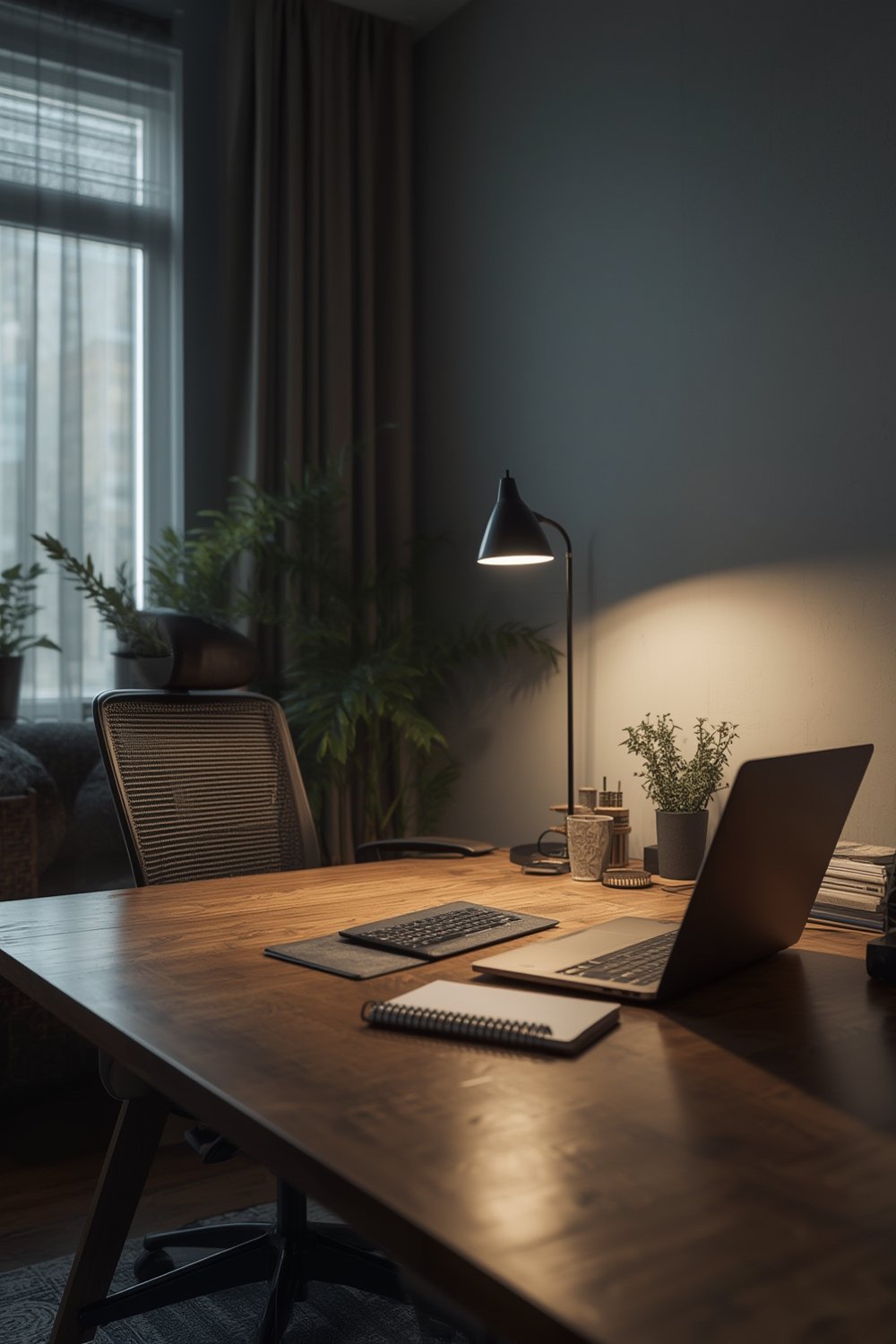
This is the biggest issue for buyers: All major benefits are proven with full-room circadian lighting, not single desk lamps. The way light reaches your eyes—distance, angle, intensity, and spectrum—differs radically between overhead office lighting and a lamp on your desk. Most circadian systems in studies deliver hundreds of lux at eye level from above throughout work hours; a desk lamp may produce only a small fraction at the wrong angle or for too short a duration.
Pay close attention to these points:
- Does the desk lamp actually deliver enough melanopic lux at your eyes?
- Is the beam wide and diffused, or tightly focused only on paper?
- Can you set and automate color changes that follow the sun’s pattern?
Remember: No 2024 studies in the search results specifically examine circadian lighting desk lamps. If you want a blue light adjustable desk lamp for alertness and sleep support, check actual technical specs, not just wellness claims.
Curious about how ergonomic setups improve productivity? You might also enjoy our Ultimate Ergonomic Desk Setup Guide.
Technical specifications that matter (and how to read them)
Technical details determine whether a lamp can support your circadian rhythm and eye comfort. Here’s how to decode the key specs for a color temperature desk light or eye health workspace lighting:
- Tunable Color Temperature (CCT): The wider the range (e.g., 2200–6500K), the better it can mimic natural sunlight and support both alertness (cool/blue) and winding down (warm).
- Melanopic Metrics (EDI or Melanopic Lux): These newer metrics measure the biologically effective dose for your circadian system. Good products publish this data—but marketing often hides it.
- CRI (Color Rendering Index): Look for CRI ≥90 for true-to-life colors and visual comfort.
- Flicker (Flicker-Free): Check for “flicker-free operation” or detailed flicker frequency; unregulated flicker causes eye strain even if invisible.
- Dimming and Automation: Essential for setting the light to appropriate levels for time of day and mood.
- Lux at Eye Level: Many lamps publish lumens, not lux at your eyes—request this value.
According to research, no search results compare technical specifications (color temperature range, automatic transitions, CRI, flicker frequency) of top-selling circadian lighting desk lamps. Ask vendors for hard data. Integration with room lighting, not just your desktop, often produces the best effects.
Common complaints and negative experiences — what the research found (and didn’t)
User reviews often mention:
- Glare or reflections—which can increase eye fatigue instead of relieving it.
- Poor Color Rendering—making paperwork or skin tone look unnatural.
- Confusing controls and apps—leading to poor adoption or users sticking with default settings.
- Inadequate brightness—not enough for circadian support or task lighting.
- Sleep disruption if blue-rich light is used late at night.
- Connectivity issues—especially with smart features or voice control.
Importantly, no search results provide data on user complaints or negative experiences with blue light adjustable desk lamps claiming to mimic natural light. Buyer beware: the lack of standardized user safety or satisfaction data in 2024 is a key risk. For other wellness gear with measurable user data, see our Posture Tracking Wearable Guide.
Price ranges (budget → premium) and the feature tradeoffs
Here are the broad price tiers and what you can expect at each level for a Natural Light Mimicking Office Light or Circadian Lighting Desk Lamp:
- Budget ($50–100): Basic tunable white, limited automation, uncertain CRI/flicker, generic plastics, short warranty.
- Mid-Tier ($100–250): Better build quality, CRI ≥90, app or sensor features, simple SPD chart, longer warranty, trial period.
- Premium ($250+): Sensor-driven auto adjustment, published melanopic data, wide CCT, ENERGY STAR or TÜV certifications, robust software, return policy, and full-feature warranty.
No search results provide 2024 price ranges or feature differentiations for high-quality natural light mimicking office lights. Always tie price back to certifiable features that support sleep, alertness, and comfort. For procurement and budgeting tips, see our Smart Standing Desk Guide.
Installation, setup and placement — the make-or-break steps for real benefit
Effective setup is vital. Here’s how to actually make your Circadian Lighting Desk Lamp or color temperature desk light deliver:
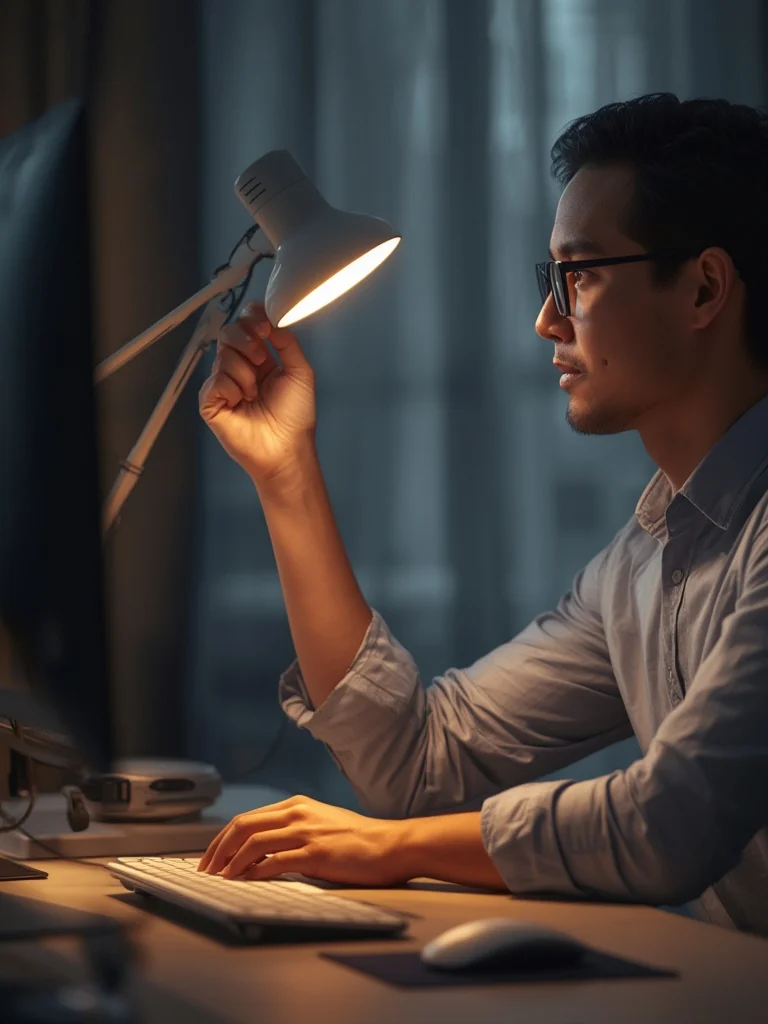
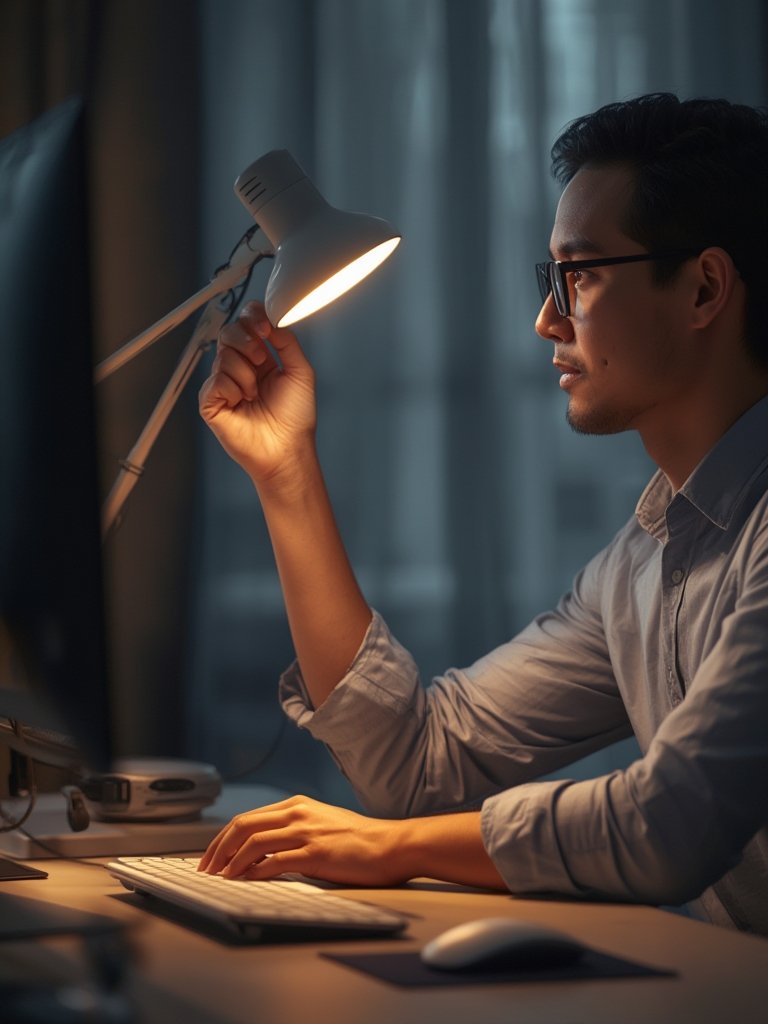
- Set the lamp so it aligns roughly at or just above eye level, angled to bathe both your workspace and your face in light (not just the desktop).
- Ensure daytime “cool” settings (4000K–6500K or higher) for alertness during core work hours; use app-based schedule for transitions to “warm” (2200K–3200K) 2–3 hours before your day ends.
- Integrate your desk lamp with overall room lighting to avoid drastic contrasts—this prevents eye strain and supports circadian signals.
- Educate users: evening blue light (cool white) should be avoided to prevent sleep delay.
- Commit to a 2–4 week trial, monitoring sleep duration/quality (journal or sleep tracker) and daily subjective alertness.
No search results address installation or setup processes for color temperature desk lights and their impact on effectiveness or user adoption. Hands-on pilot testing is essential for quantifying results and smoothing out adoption friction.
Certifications, metrics and labeling you should demand
Certifications and published metrics matter for both safety and true circadian support. For any eye health workspace lighting or wellness lighting solution, demand the following:
- TÜV Rheinland Eye Comfort: Validates flicker, color consistency, and visual safety.
- UL or ETL Listing: Product safety for electrical use.
- ENERGY STAR: Efficiency and quality for environmental responsibility.
- RoHS: Confirms no hazardous substances.
- IEC Flicker Standards: Ensures low-flicker to minimize discomfort and eyestrain.
- Published Melanopic EDI / Lux or SPD Chart: Absolutely essential—without this, claims about circadian support are just marketing. Request the SPD or melanopic report at your intended placement.
No search results specify certifications or standards you should look for in workspace lighting. Always ask vendors for these documents—lack of transparency is a red flag. For more on healthy desk environments, try our Ergonomic Desk Setup Guide.
Three buying criteria competitors almost always miss (long‑term satisfaction focus)
- Vendor Transparency on Melanopic Dose and SPD at Eye Level: If a brand can’t or won’t provide this, walk away—it’s the best marker of scientific validity and real effect.
- Adaptive Scheduling and App UX: Automatic shifts are essential. Manual-only control means users often forget to change settings—eroding benefits. Prioritize usable, reliable scheduling software.
- Measurable Dose and Return Policy: Only consider lamps that state target lux/melanopic lux for desired hours and offer a no-hassle return so you can run your own evaluation trial (with sleep and alertness metrics).
No search results identify buying criteria overlooked by competitor articles, but ignoring these three often leads to buyer’s remorse or neutral results. If you want real-world efficacy and long-term eye health workspace lighting, these are non-negotiable.
Practical 5‑step buying checklist & in-office pilot plan
- Measure your workspace: Determine desk size, user seating positions, and existing ambient light levels.
- Shortlist products by essential specs: CCT range, CRI ≥90, flicker-free, automation, and—critically—published melanopic metrics or SPD chart at eye level.
- Request and review data: Ask for real melanopic EDI/lux, SPD chart, safety and eye comfort certifications.
- Run a 2–4 week pilot: Assign a small team, log baseline/after sleep and alertness (journal or device). Only monitor changes, not anecdotal “feel.”
- Evaluate return policy and support: Be prepared to return if sleep, alertness, or user comfort don’t improve (threshold: ~30 min sleep gain, improved alertness, better comfort for at least half of testers).
| Success Criteria | Proceed to Full Deployment? |
|---|---|
| Sleep increases ≥30 min, alertness up, no major complaints | Yes |
| Metrics flat or user complaints common | No (return or retest) |
Reminder: No 2024 studies specifically examine desk lamps. Use room-level trial outcomes (like +52 minutes sleep by day 7) when setting expectations. For a stepwise approach to better work health gear, see our Standing Desk Productivity Guide.
Closing — realistic expectations and next steps for procurement teams
In summary: Circadian lighting at room scale delivers real sleep, alertness, and productivity gains, as shown in several 2024 trials (up to 52 minutes more sleep in a week, improved vigilance, and boosted melatonin). However, a Circadian Lighting Desk Lamp alone is yet to be proven by direct science. If you plan to test this wellness lighting solution, set clear guardrails: require SPD or melanopic dose disclosure, a pilot phase with tracked outcomes, robust certifications, and a solid return window. After deployment, continue to monitor office sleep and alertness patterns to validate long-term benefit. If the evidence grows, upgrade your procurement policy accordingly.
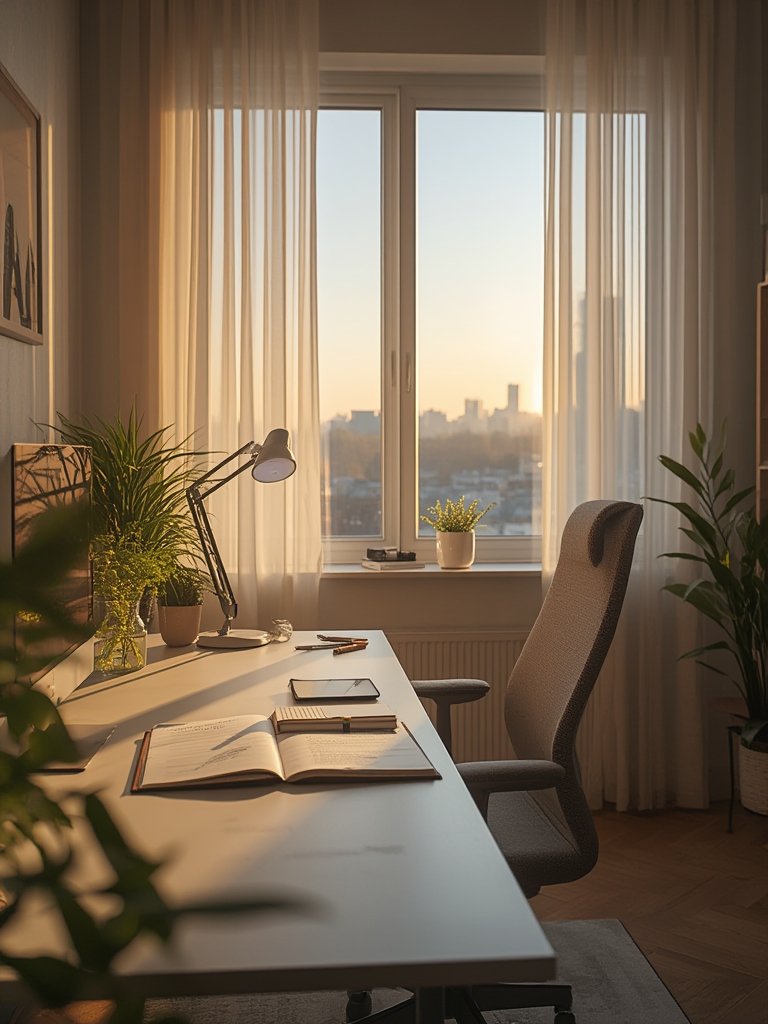
Ready to move forward? Demand transparency, run a real pilot, and choose evidence—not just claims—when adopting your next natural light mimicking office light.
Frequently Asked Questions
Is there proof Circadian Lighting Desk Lamps improve sleep or productivity?
No direct studies to date (2024) prove that a desk lamp alone delivers the same sleep or productivity improvements seen with full-room circadian lighting systems. The best evidence comes from trials using large-area or overhead lighting, which increased sleep by up to 52 minutes and improved alertness. Desk lamps are evidence-informed, but not yet evidence-proven.
What is the most important technical spec for a Circadian Lighting Desk Lamp?
Published melanopic EDI/lux or a full SPD (spectral power distribution) chart at the intended eye level. Without this, there’s no guarantee the lamp provides a biologically effective dose for circadian support. Also, check for a wide CCT range, CRI ≥90, and flicker-free operation.
Can any desk lamp mimic natural sunlight for circadian health?
Most can’t. Only lamps with full tunable color spectrum, precise scheduling, and certified melanopic metrics come close. Beware of generic “daylight” or “blue light adjustable desk lamp” claims without published data.
What certifications should I require before purchasing?
Look for TÜV Rheinland Eye Comfort, UL/ETL Listing, ENERGY STAR, RoHS, and—most importantly—published melanopic EDI/SPD. These validate safety, efficiency, comfort, and circadian relevance.
How do I know if the lamp is actually working for me or my team?
Run a structured 2–4 week pilot: track baseline and after sleep quality/duration (with a journal or sleep tracker) and alertness ratings. Only proceed to full deployment if there’s real improvement for most users.
—