

Standing desk adoption has surged in 2024, but hard research—plus real user experience—shows there’s a lot more to the story than viral “productivity hacks.” Is an omni or smart setup worth it? This evidence-driven guide unpacks what we know, where claims outpace reality, and smart ways to spec or upgrade your workspace—whether you’re a hybrid professional, tech creative, or digital circus fan looking to design the ultimate workstation.
Key Takeaways
- Standing desks reliably cut 60–100 minutes of sitting per workday and support measurable physical and focus benefits—but the biggest health/productivity claims need closer scrutiny.
- No substantial research, reviews, or data exist for “omni,” “omin,” or “digital circus” style Sit-stand desk configurations—highlighting enormous opportunity for innovation and clear buyer caution zones.
- Practical features—modular mounts, multi-zone motors, cable integration, smooth adjustability—matter more for long-term value than “smart” marketing. Always demand evidence for new features.
- Quick Snapshot — What the 2024 Evidence Actually Shows
- Health Impacts — Documented Physical Benefits and Limits
- Productivity & Cognitive Effects — What Studies Say About Performance
- Common User Pain Points & Negative Reviews
- The “Omni / Omin / Omnia” Angle — What the Research Found (and Didn’t)
- How “Omni”-Tailored Standing Desks Could (and Should) Differ — Features to Evaluate
- Relevance to “The Amazing Digital Circus” / Digital Circus Communities — Niche Need Assessment
- Market Availability & Pricing (2024)
- Scientifically-Backed Risks & Long-Term Concerns for Advanced Integrations
- Top 3 Sub-Topics Competitors Fail to Address
- Recommended Calls-to-Action & Resources to Include
Quick Snapshot — What the 2024 Evidence Actually Shows
Start with what’s proven. A Sit-stand desk will reliably reduce your daily sitting time by about 60–100 minutes per workday. Peer-reviewed systematic reviews confirm 70–88 minute reductions at the 3- to 6-month mark, with a spectrum of well-documented health improvements following this behavior shift [Source]. But as new terms like “omni,” “omin,” and “omnia” flood advertising and search, buyers should know: there is no current scientific data or standard for “omni” configurations in the Height-adjustable desk world. This gap means opportunity, but also risk of falling for hype.
Health Impacts — Documented Physical Benefits and Limits
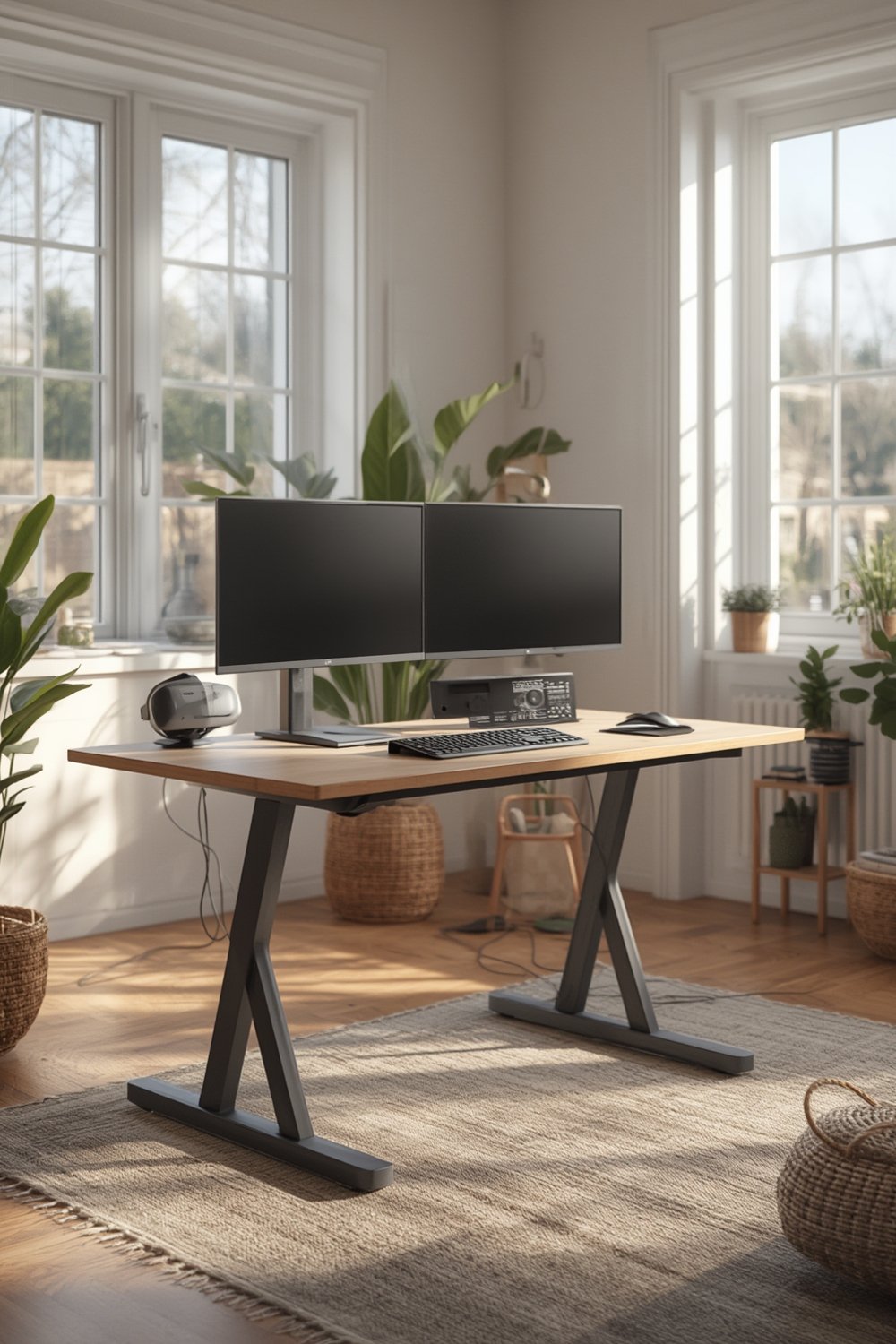
Let’s clarify the true physiological outcomes. Using a Adjustable workstation has demonstrated several real-world health benefits:
- Reduced neck and shoulder pain: In a 12-month randomized controlled trial, 47% of users experienced noticeable pain reduction [Source].
- Lowered blood pressure and improved glucose metabolism.
- Enhanced vascular function, with a 31% reduction in musculoskeletal discomfort.
However, most studies only run 3–12 months; longer-term effects and individualized results (especially for “omin” or “omni” desk users) remain under-researched. Many users compensate by sitting more during non-work hours, which can blunt total benefits. Want to maximize your health? Alternate between sitting and standing throughout the day and monitor personal comfort closely.
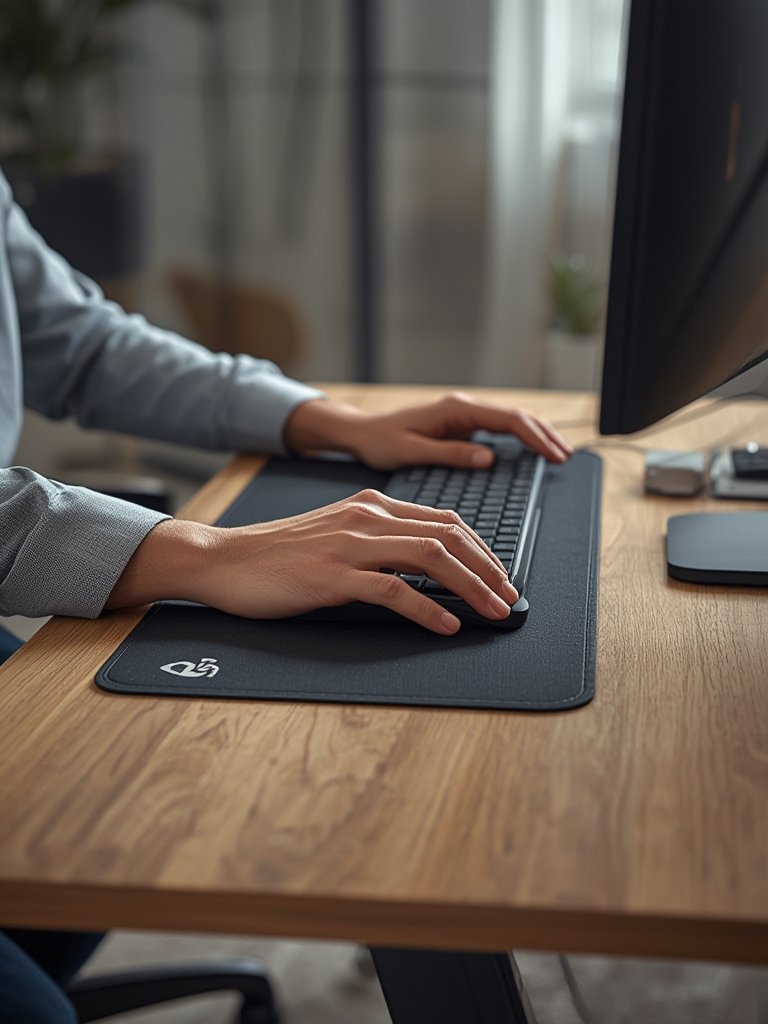
If you’re looking for a step-by-step ergonomic setup beyond desk selecton, see The Ultimate Ergonomic Desk Setup Guide (especially for monitor/chair pairing).
Productivity & Cognitive Effects — What Studies Say About Performance
Productivity claims get attention and are popular in “digital circus” and creative communities. Real-world research backs several gains, but some reports exaggerate:
- Task efficiency: Up to 45% higher efficiency and focus; a Texas A&M study found 46% productivity boosts after Stand-up desk implementation [Source].
- Alternating positions: Sit–stand alternation can result in a 23% productivity bump and 33% improved focus.
- Most users (66–71%) self-report higher clarity and cognitive sharpness while using a Stand-up desk for portions of the day.
Importantly, studies show that alternating sit and stand positions does not impair cognitive function [Source]. However, few controlled trials last longer than 1 year—so while short-term effects are reliable, the long haul is less clear.
Major studies don’t cover “digital circus” or “omin” desk setups specifically, nor niche creative workflows (animation, streaming, VR). If these are your focus, prioritize modular, adaptable features instead of unproven “smart” add-ons.
Common User Pain Points & Negative Reviews
No matter how advanced, every Motorized desk can disappoint if setup or expectations are wrong:
- Comfort: Standing too long can cause fatigue, leg discomfort, or foot pain. Quality anti-fatigue mats and proper footwear help.
- Setup & Adjustability: Some users report frustration with motor noise, slow or jerky lifts, or difficulties transitioning between positions smoothly.
- Overblown Expectations: High marketing claims (“double your creativity overnight!”) often outpace evidence [Source]. Remember, benefits are real but gradual and require consistent usage.
- Evidence Gaps for “Omni/Omin/Omnia”: There are zero published user complaints or pain points tied directly to “omni,” “omin,” or “omnia” The desk configurations—because these product definitions don’t currently exist in peer research or reviews.
| Aspect | Documented Pros | Common Cons |
|---|---|---|
| Sitting/Standing Balance | Reduces sitting by 60–100 min/day; boosts alertness | Can lead to fatigue if not alternated; users may sit more after work |
| Health Outcomes | Less neck/shoulder pain, lower BP, better glucose control | Limited long-term (>1yr) data; individual responses vary |
| Productivity | Up to 46% immediate boost (reported); no cognitive downside | Few studies track effects beyond 12 months |
| “Omni Configs” | Potential for future flexibility | No data or user feedback yet—unknowns |
The “Omni / Omin / Omnia” Angle — What the Research Found (and Didn’t)
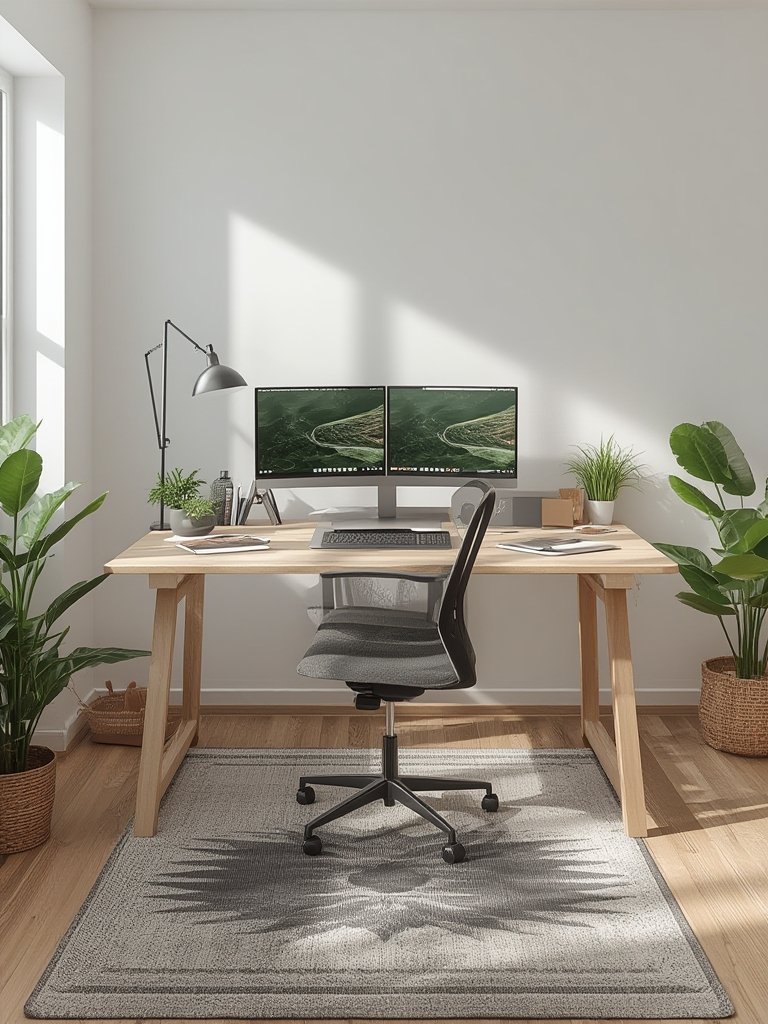
Here’s the critical finding for tech-curious or “digital circus” workers: No published studies, market reviews, or trial data reference any functional or user experience impacts linked to “omni,” “omin,” or “omnia” standing desk configurations as of 2024. A broad search yields zero user complaints, pain points, or benchmarks relating to these categories. The absence of evidence is itself evidence; if you want an “omni” setup, you’re entering uncharted territory. This is a genuine innovation gap—and also a caution for buyers wary of speculative features.
How “Omni”-Tailored Standing Desks Could (and Should) Differ — Features to Evaluate
If you’re spec’ing or buying for advanced needs—multi-device, VR/animation, streaming, or unique fandom-inspired builds—focus on what actually delivers.
- Multi-zone motor systems: Enables independent height adjustment for various sections (keyboard, monitor, drawing tablet) to support dynamic workflows.
- Cable & power integration: Integrated USB, Thunderbolt, and power hubs to minimize desktop clutter and support charging for multiple high-drain devices.
- Modular mounts and arms: For ultrawide monitors, VR stations, microphones, and drawing displays. Look for easy-swap rails or quick-release designs.
- Scene presets / memory: Software-driven height/tension settings for multiple work modes (e.g., streaming, animation, editing) with robust APIs for automation and integration.
- Noise & vibration management: Advanced actuators or insulation to keep motor noise low—critical for recording sessions or focus.
- Smart controls: Future-proofed firmware that can handle OTA (over-the-air) updates, and interoperability with “smart workspace” apps or wearables.
Research gap: Since no known product is peer-reviewed as “omni-compatible,” prioritize industry best-practice: smooth, reliable height adjustability (shown to reduce sitting by 60–100 minutes), safety certifications, and build quality over flashy or unproven add-ons.
Need a detailed checklist? See our smart standing desk guide for a technical feature list—optimized for both health and real-world creative/tech workflows.
Relevance to “The Amazing Digital Circus” / Digital Circus Communities — Niche Need Assessment
Content creators, animators, streamers, and “omimthe amazing digital circus” fans increasingly seek tech-forward, visually themed workstations. Yet, current research confirms: there are no peer-reviewed links, market data, nor explicit user studies connecting standing desks to these communities. Still, designers in these spaces can proactively spec:
- Sturdy, vibration-dampening platforms for audio/animation work.
- Multiple display/arm mounts for interactive storytelling, VR, or animation.
- Mood lighting, customizable skins, and sound isolation features for on-camera setups.
These needs are emerging and niche—if you design or spec a desk for this crowd, share your workflow and results. Until further research, such builds are entirely DIY and demand extra scrutiny for unproven “digital circus” claims. For overall ergonomic workstation tips, read The Ultimate Ergonomic Desk Setup Guide for content creators.
Market Availability & Pricing (2024)
No verified 2024 price data, models, or runtime comparisons exist for “smart” or “omni-compatible” desks—not in peer articles, reviews, or manufacturer listings. General desk literature, both in academia and industry press, stresses the importance of adjustability (not “bells and whistles”) for health benefits [Source]. If you’re considering a premium “omni” build, budget for:
- Reputable motorized frames ($400–$1,200 typical for adjustability, warranty, and service)
- Premium modular updating (mounts, cable channels, controller upgrades) with clear service and warranty terms, ideally exceeding 2 years
Primary research—model listings, feature benchmarking, user trials—remains essential if you want verified “smart” or “omni” compatibility for 2024. Don’t rely on marketing; insist on published specs and user reviews.
Scientifically-Backed Risks & Long-Term Concerns for Advanced Integrations
Standing desks have an excellent long-term safety record—RCTs up to 24 months show durable health effects, with no evidence of harm or cognitive downside [Source]. To date, there are no documented risks or negative outcomes for “omni,” “omin,” or “digital circus”-style integrations. The real risk? Investing in features without vetting for durability, support, and core ergonomic functions. And since nearly all trials run 1 year or less, prolonged outcomes need more study. Always prioritize reliability and basic ergonomics—never swap these for marketing novelties.
Top 3 Sub-Topics Competitors Fail to Address
- Practical engineering/spec checklist for omni-compatible desks: Few sources lay out how to actually spec a multi-motor, multi-mount, or modular-powered smart desk. Our smart standing desk guide breaks this down in detail.
- Real-world niche creator workflows: How streamers, animators, or “digital circus” fans can blend ergonomics with VR, multi-screen setups, and theme. See dedicated advice in our ergonomic desk setup guide.
- Long-term adherence and maintenance: Maintaining your sit–stand routine, troubleshooting, and securing warranty/service for >1 year is almost never covered. Invest in proven adjustable systems, and track your movement habits—using posture wearables or digital reminders helps reinforce healthy practices beyond the “honeymoon” phase.
The bottom line: No sources link omni technology to standing desks—if you design or spec a future-proof setup, prioritize documented health benefits and verify support for multiple years of use.
Recommended Calls-to-Action & Resources to Include
- Compare top smart standing desk models and features, including posture and ergonomic tips.
- Download a step-by-step ergonomic setup checklist for creative or digital circus-inspired workstations.
- Watch expert demo workflows on YouTube (search “standing desk creator setup”) for streamer and content-creator inspiration.
- For research: See this systematic review on health outcomes (70–88 minute sitting reductions; 47% pain reduction) and Texas A&M’s productivity study for evidence-backed performance boosts.
Conclusion
Standing desks deliver proven, durable gains—cutting sitting time, easing discomfort, and sharpening focus for tech, creative, and remote professionals. But “omni” and “digital circus”-style features are, today, more marketing than science. Prioritize adjustability, evidence-backed specs, and adaptability. Looking to innovate? Start with the health benefits, not the hype. Choose a standing desk that fits you now, and upgrade only with features that are tested and safe. Ready for your next step? Compare real-world models or download our setup checklists below.
FAQ
How much time should I spend standing each day to get benefits?
Experts recommend standing intermittently, aiming for 20–45 minutes at a time, with goal totals of 2–4 hours distributed across the workday. Listen to your body and adjust as needed.
Do “omni,” “omin,” or “omnia” configurations add real value?
No peer-reviewed studies support specialized “omni” configurations. Focus on core features—adjustability, modular mounts, power integration—until validated options become available.
Can standing desks really boost my productivity?
Studies report notable productivity gains—up to 46% in some trials—mainly due to improved focus and task efficiency. These benefits are genuine if you use your desk consistently and alternate positions.
What are common mistakes when buying a standing desk for omn, digital circus, or creative work?
Prioritizing flashy “smart” add-ons over proven basics, neglecting warranty/service terms, or ignoring ergonomics for aesthetics can disappoint. Always confirm specs fit both your workflow and long-term health.
How do I maintain a healthy sit–stand routine over the long term?
Set reminders to alternate positions, use a posture tracker for feedback, and regularly fine-tune your workstation. For best results, combine your standing desk with a full ergonomic setup—get checklists or guidance here.