

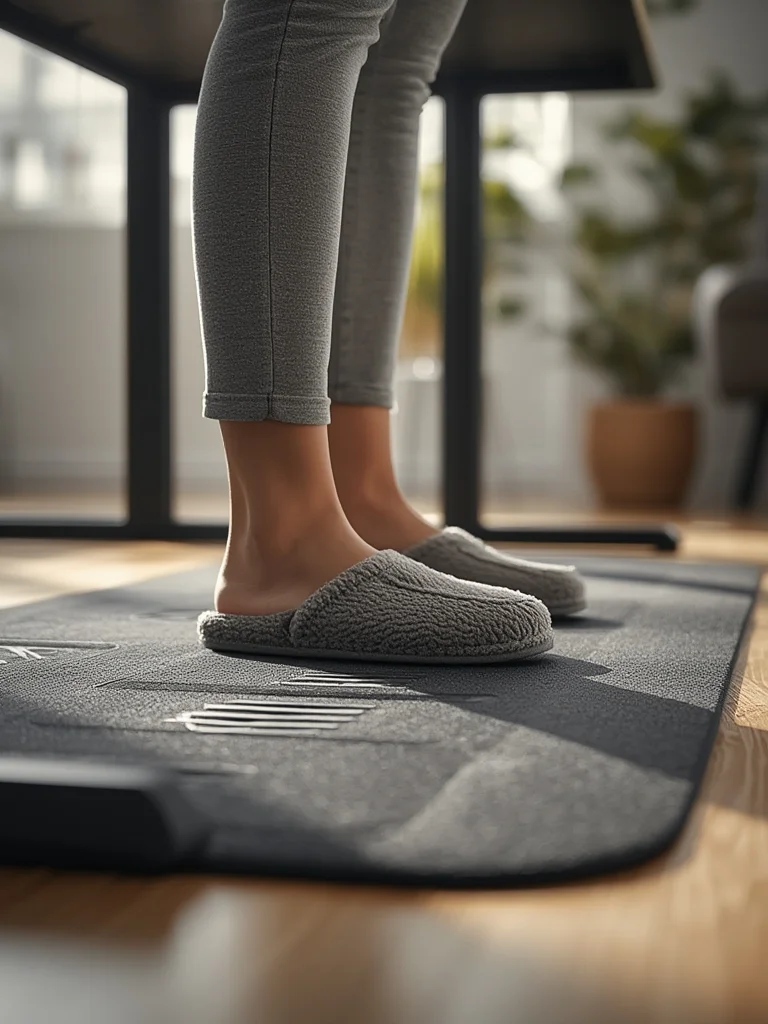
Active Standing Desk Mat solutions are rapidly transforming home offices and workplace ergonomics—offering more than basic cushioning by encouraging healthy, micro-movements while standing. Whether you are chasing improved focus, less fatigue, or better posture, understanding these mats is key to converting standing desk theory into real-world productivity and comfort.
Key Takeaways
- Active standing desk mats foster subtle movement and engagement, potentially supporting better posture and reduced fatigue compared to flat mats.
- Market momentum is strong, but technical specs, maintenance, and use-case versatility are still underreported—buyers need to dig.
- The right mat requires attention to material, thickness, and features like antimicrobial surfaces, not just upfront cost.
- What Are Active Standing Desk Mats And Why Use Them?
- How To Choose and Use an Active Standing Desk Mat (Step-by-Step)
- Advanced Analysis & Common Pitfalls
- Conclusion
- FAQ
What Are Active Standing Desk Mats And Why Use Them?
Active standing desk mats are designed not just to cushion your feet, but to inspire ongoing micro-movements while you stand at your workstation. Unlike traditional flat anti-fatigue mats—which focus solely on softness—these mats often feature raised textures, contours, or even balance points. The objective is clear: encourage the user to subtly shift from side to side, flex muscles, and stay active.
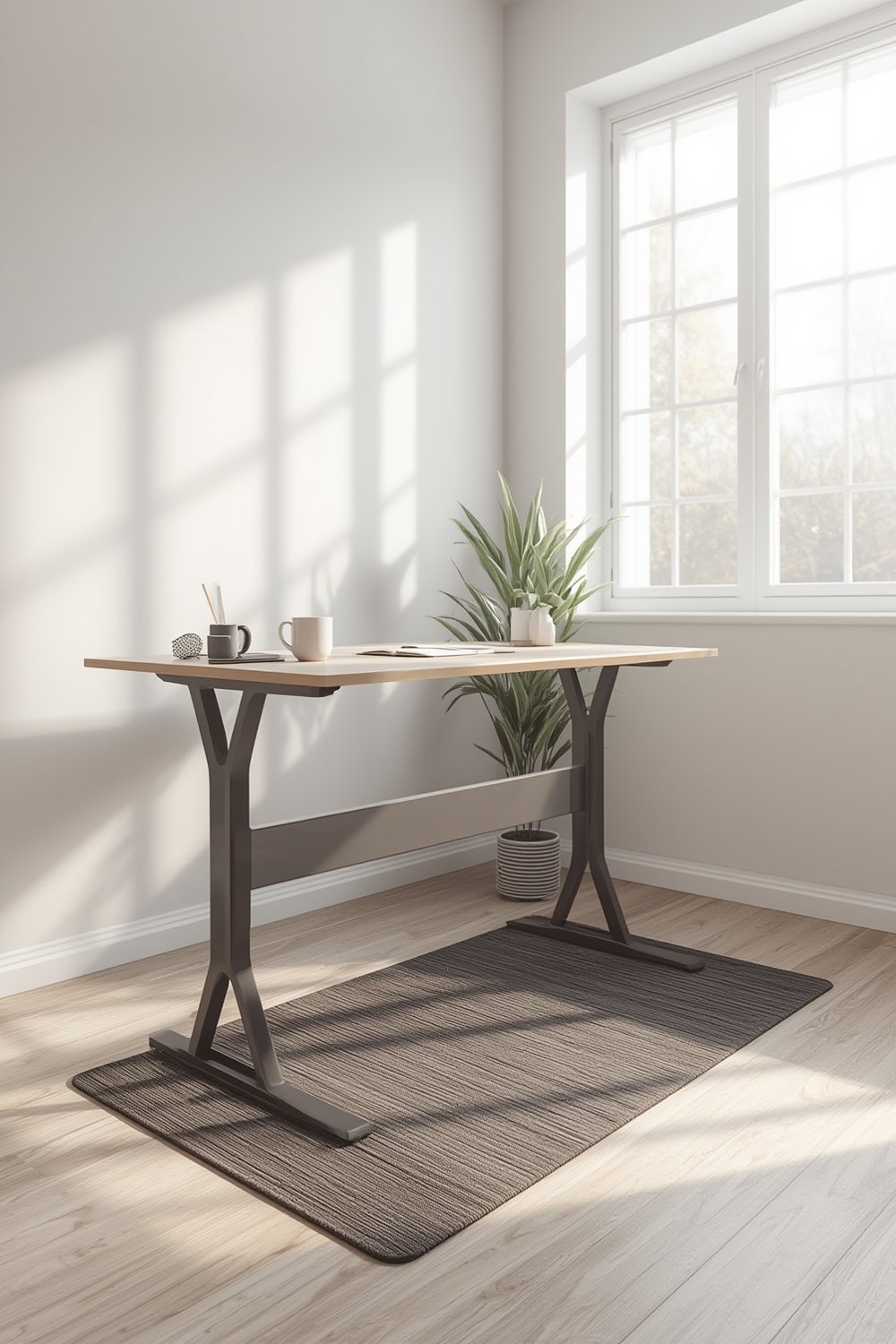
Why does this matter? Prolonged standing on a flat surface—even a cushioned one—can cause discomfort, fatigue, and even joint stress, especially without movement. Active mats aim to break this cycle, reducing static load and potentially improving circulation and musculoskeletal health. As the global Standing Desk Mat Anti-Fatigue Beveled market reached $1.45 billion in 2024, demand has risen not only for office environments, but also for remote work setups and creative studios.
Interest and adoption are growing, but market reporting largely focuses on basic anti-fatigue mats—leaving actionable info about advanced “active” mats as a true knowledge gap. The key difference: an active standing desk mat keeps your body “waking up” tiny stabilizer muscles and postural systems throughout your desk-bound day.
How To Choose and Use an Active Standing Desk Mat (Step-by-Step)
Actively engaging your core at your desk doesn’t require guesswork or expensive trial and error. Here’s a practical guide to picking, setting up, and making the most of your active standing desk mat.
- Identify Your Priorities
Are you switching from sitting to standing, combating fatigue, or want to increase calorie burn? Your goal will shape your ideal mat choice. For productivity-focused users, see this Smart Standing Desk guide for more on posture and energy management. - Understand Surface Types
Active mats often feature ridges, mounds, teardrop domes, or sloped sides rather than being perfectly flat. For example, mixing minimalist movement (rocking side to side) with deep tissue massage spots (using textured or ball inserts). Test out different styles if you can—some suit shoe-wearers, others are best barefoot. - Check Materials and Thickness
Select high-density polyurethane, durable gel, or premium rubber—avoid cheap foams that flatten. Look for a thickness between 0.75 and 1.5 inches. Antimicrobial coatings are a practical plus for hygiene. For general desk ergonomics, our Ultimate Ergonomic Desk Setup Guide breaks down accessory essentials for posture. - Mind Size and Weight Limit
Most mats are 20–36 inches wide and can support over 300 pounds, but check specs. Some “active” models double as balance boards; others are meant purely for standing—not vigorous movement. - Integrate With Your Routine
Alternate positions, shift foot placement, stretch calves, and leverage built-in massage sections. No need to bounce or balance intensely all day—a little movement goes a long way. - Maintenance and Cleaning
Wipe down mats with a damp, non-abrasive cloth. If antimicrobial-coated, avoid harsh chemicals. For mats used in shared or barefoot settings, weekly cleaning is smart. Longevity depends on the quality of both material and your care.
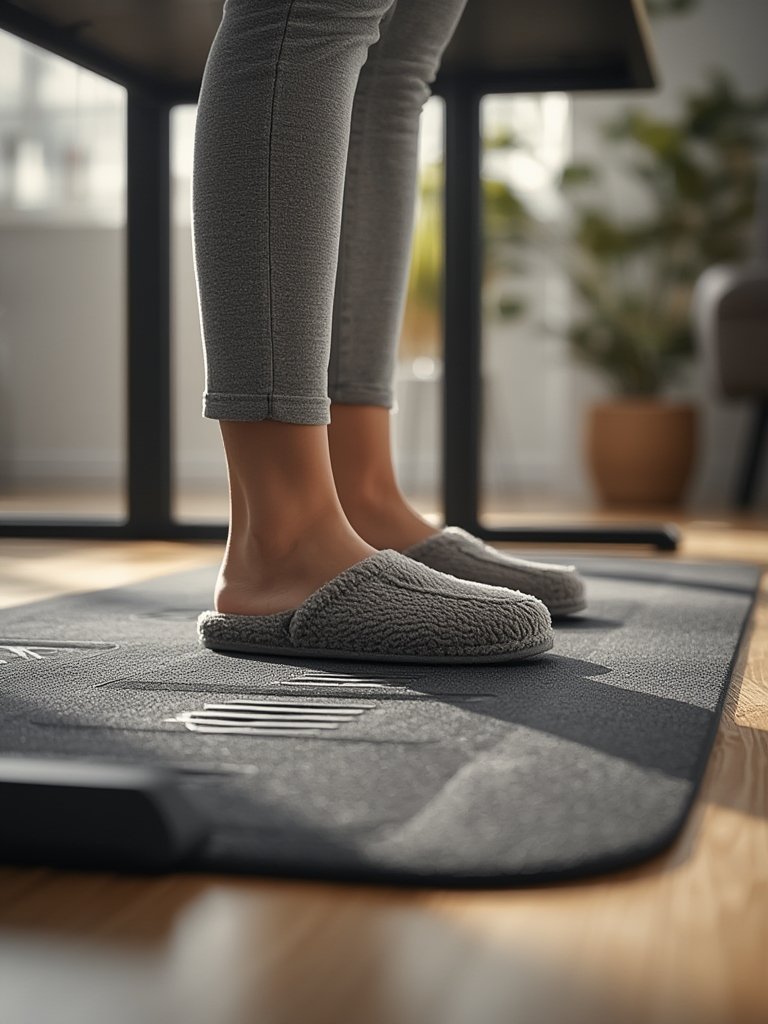
One practical trick: integrate mat usage into systemized desk routines—such as stretching on the hour, or transitioning mat/seat at defined project breaks. For more on establishing ergonomic habits, see strategies within our Posture Tracking Wearable guide.
Advanced Analysis & Common Pitfalls
Not every standing mat improves your experience. Here’s what research and user anecdotes reveal about the realities and gaps in current market offerings:
- Unproven “Active” Claims: No current clinical research or studies compare active mats with flat anti-fatigue mats or bare floors. Health benefits—reduced fatigue, better posture—are based on inferred logic and reported ergonomic theory, not verified mat-specific outcomes. Ref: GM Insights
- Missing Specs and Quality Validation: Technical specs (materials, thickness, safety certifications) are often thin in listings. Durability over years, edge-warping, anti-slip reliability, and cleaning requirements get little coverage in competitor reviews or product documentation. Market trends point to antimicrobial and eco-friendly features, but no recognized standards to enforce these claims currently exist. Ref: WiseGuy Reports
- Cost vs Benefit Uncertainty: High prices are common, especially for “smart” mats with sensors or premium antimicrobial materials. Yet direct links between such features and substantial ergonomic or health gain are rare. Realistically, even basic mats can provide the main benefit if used actively and intentionally.
Here’s a comparison table outlining standard features to evaluate:
| Feature | Basic Anti-Fatigue Mat | Active Standing Desk Mat | Balance Board/Accessory |
|---|---|---|---|
| Movement Encouragement | Low | Moderate-High | High |
| Main Material | Foam, basic rubber | Polyurethane, premium rubber | Plastic, wood, rubber |
| Thickness | 0.5–1 inches | 0.75–1.5 inches | Varies |
| Antimicrobial Option | Rare | Occasional | Rare |
| Maintenance Need | Low-Moderate | Moderate (contours, texture) | Moderate-High |
| Price Range | Low-Moderate | Moderate-High (>$80) | Moderate-High |
| Certifications | Rarely Stated | Almost Never | Almost Never |
Potential pitfalls also include using an active mat all day with poor footwear, trying to multitask complex movements while typing, or failing to clean and maintain the mat—leading to wear and loss of support. Expect high costs for premium features (activity tracking, advanced coatings), but be realistic about the true ROI for your needs.
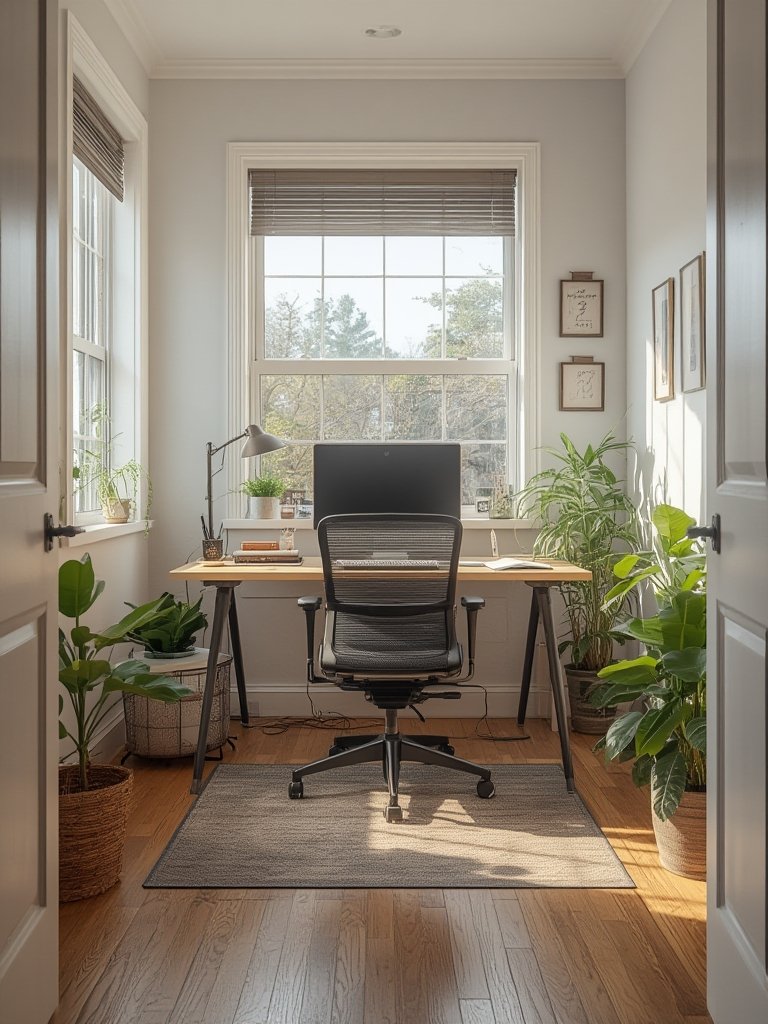
Want even more actionable ergonomics? Our Three Step Desk Setup Guide covers holistic adjustments beyond just your mat—think chair fit, monitor height, and accessory placement for max comfort.
Conclusion
Adopting an Active Standing Desk Mat in your office setup is a practical move for anyone serious about all-day focus, better comfort, and healthier routines at the desk. While feature claims sometimes outpace peer-reviewed evidence, active mats still provide clear improvements over standing still on flat floors. Select your mat based on material quality, surface style, maintenance needs, and your own routine—not just on the priciest available model.
Ready to experience energetic workdays and less fatigue? Research your options and start integrating micro-movements with an active mat that actually fits your workflow. Your future self will thank you.
FAQ
What is the difference between an active standing desk mat and a regular anti-fatigue mat?
Active standing desk mats are designed to encourage subtle movements and balance through raised textures or sloped surfaces. Traditional anti-fatigue mats are flat and mainly provide cushioning. Active mats can promote better circulation and varied posture, especially if you use them intentionally.
How do I clean an active standing desk mat?
Wipe with a damp, non-abrasive cloth. Avoid harsh chemicals, especially on antimicrobial or textured mats. For shared or barefoot use, clean weekly for hygiene and durability.
Are there proven health benefits to using an active standing desk mat?
No direct clinical research compares active mats to flat mats or floors, but movement during standing is generally linked to improved comfort and posture. Choose a mat that encourages movement, but also prioritize regular breaks and good workstation setup.
What features are worth paying extra for in 2024?
Premium features like durable materials (high-density rubber, polyurethane), antimicrobial coatings, and unique surface contours can justify a higher price. “Smart” features (like activity tracking) are emerging but have limited proven benefit for most users.
Does mat thickness matter for ergonomics?
Yes. A mat that is too thin will lose support quickly, while mats that are too thick could feel unstable. Look for a thickness between 0.75 and 1.5 inches. Make sure your mat supports your weight and stays flat on the floor.