

Desk Bike Chair adoption is on the rise for health-conscious remote workers, but real-world buyer data and specific research on their impact is missing. This in-depth guide closes the research gap with actionable advice and tested comparison criteria for anyone shopping for a Desk Bike Chair or active sitting pedal device.
Key Takeaways
- No direct 2024 sales or demographic data for Desk Bike Chairs exists—use overall exercise bike trends to estimate demand.
- Buyer reviews rarely cover fit, comfort, or noise—so compare technical specs and ask direct questions before buying.
- Before purchase, collect your own product info on noise, fit, warranty, and comfort. Demand documentation from sellers.
- Market snapshot — Where Desk Bike Chairs sit in 2024
- Why people consider an active sitting pedal device — benefits and realistic expectations
- Real-life buyer pain points — what buyers need answered (and the research gap)
- Top 3 buyer questions missing from current coverage (make these sections readers will bookmark)
- Technical spec checklist — resistance, pedals, footprint, and adjustability buyers must compare
- Total cost comparison framework — how to compare TCO (price, shipping, warranty, maintenance)
- Evidence & expert guidance — what research exists and what’s missing
- Safety & ergonomic certifications — what to ask manufacturers (and note research gaps)
- Quick buyer checklist + sample questions to ask sellers
- Recommended format for product pages and comparison reviews (editorial brief for testing team)
- Conclusion
- FAQ
Market snapshot — Where Desk Bike Chairs sit in 2024
Desk Bike Chair statistics for 2024 are not available as a separate category. However, exercise bike market numbers show these devices are part of a large, growing trend.
According to recent reports, the global exercise bike market stands at about USD 569.6 million in 2024, projected to reach USD 801.48 million by 2031 (3.2% to 7.0% CAGR depending on region). Other estimates suggest USD 728 million in 2024, growing to USD 1,061.1 million by 2033 (4.3% CAGR). The home exercise bike segment—where under-desk exercise bikes are often used—hit USD 1.68 billion in 2024 with a strong projected growth rate of 7.16% CAGR (source).
Key market signals driving this segment:
- Home fitness demand continues to surge post-pandemic.
- Desk Bike Chairs and under-desk exercise bikes appeal to workers combating sedentary routines.
- North America leads in market share (~40%), but Asia-Pacific is the fastest-growing region (up to 7% CAGR).
Notably, no detailed demographic breakdowns or segment-specific usage stats are published for Desk Bike Chairs themselves, underlining a persistent information gap in the market. For more on ergonomics in modern desk setups, see The Ultimate Ergonomic Desk Setup Guide.
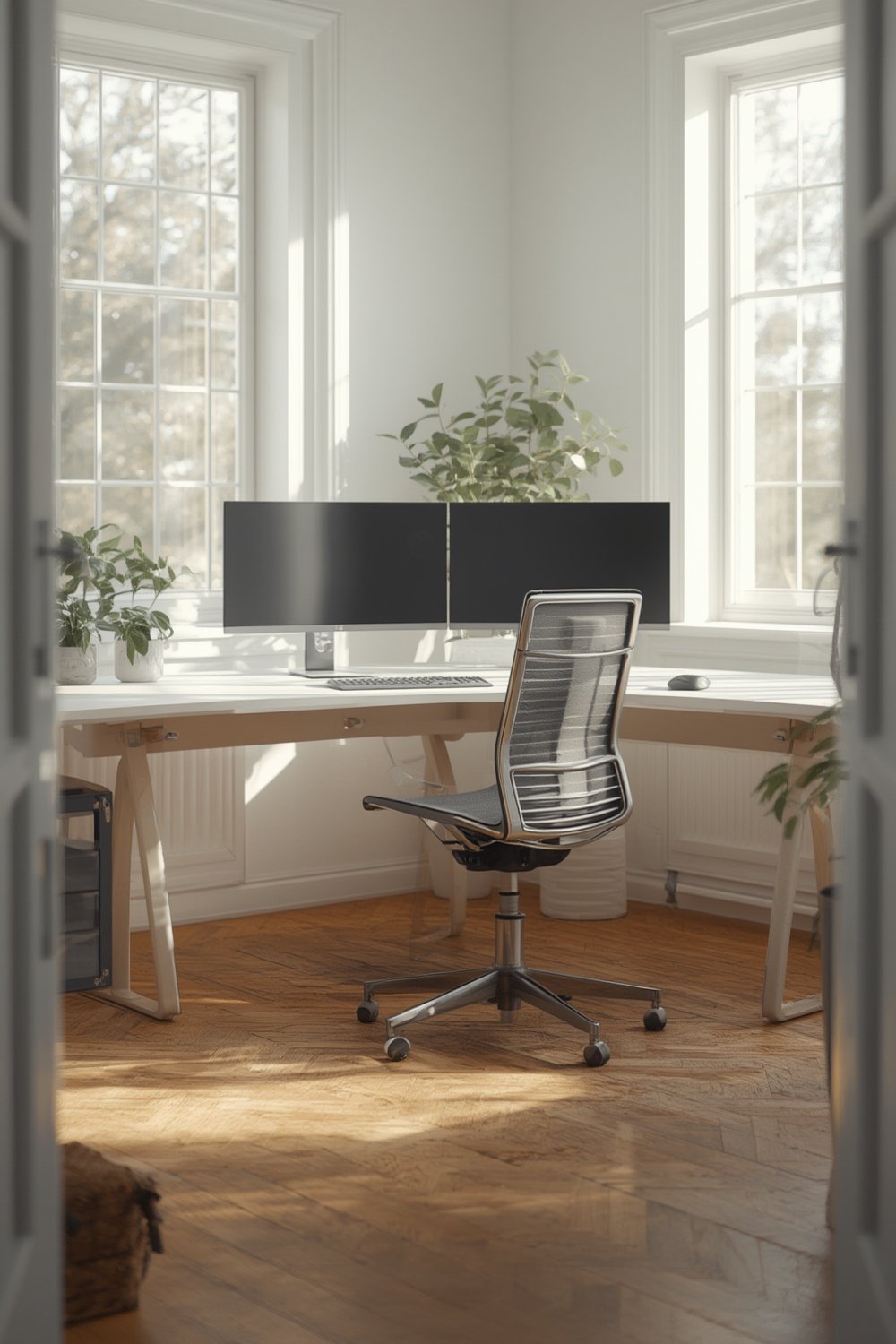
Why people consider an active sitting pedal device — benefits and realistic expectations
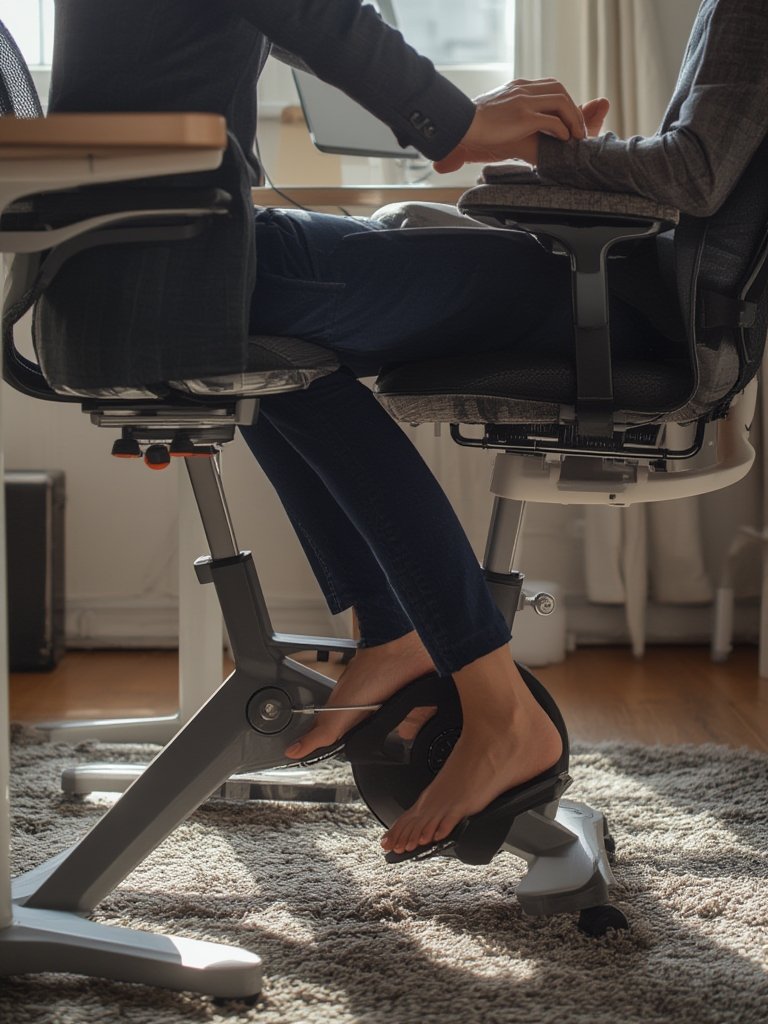
People buy an active sitting pedal device, such as a Desk Bike Chair or under-desk cycle, to add light movement while working—especially during conference calls, deep work, or long meetings. The main promise: gentle, regular leg movement improves circulation and reduces the adverse effects of prolonged sitting.
However, it’s important to set realistic expectations. Unlike full-fledged stationary bikes, these devices are not designed for high-intensity workouts. Think of them as low-effort movement machines for everyday use, not as replacements for regular workouts or significant calorie-burning sessions. For most users, incorporating a seated cycling desk is about small, cumulative gains—staying active instead of static for hours.
Market trends are fueled by remote work growth and increased focus on well-being. North America continues to dominate, but the biggest surge is in Asia-Pacific, where urbanization and wellness priorities drive uptake. (source)
For a science-backed take on posture and related wellness approaches, try Smart Standing Desk: 7 Best Ways to Boost Productivity.
Real-life buyer pain points — what buyers need answered (and the research gap)
While most product pages focus on features, the real-world pain points that matter to remote and hybrid professionals are harder to find. No user complaint data or efficacy statistics for under-desk exercise bikes or pedaling workstations surfaced in 2024 market research reports.
If you want to avoid disappointment, compare products by:
- Desk/under-desk fit: Will it fit under your standard or sit-stand desk? Watch out for limited clearance.
- Comfort for long durations: Poor seat design, lack of adjustability, or awkward pedal angles can quickly cause discomfort.
- Noise on calls: Many buyers worry about mechanical noise interrupting video meetings.
- Pedal feel & resistance range: Some bikes have jerky motion or limited resistance settings; both can interrupt workflow.
- Stability and safety: Lightweight or poorly balanced devices may tip or slide, especially on slick floors or carpet.
- Productivity & calorie claims: Be wary of exaggerated promises; most reputable sources show only light activity gains, not major fitness improvements.
This knowledge gap means every review and comparison should cover these criteria. For up-to-date posture devices and how they fit real-world desk ergonomics, see Posture Tracking Wearable: 7 Amazing Ways to Improve Posture.
Top 3 buyer questions missing from current coverage (make these sections readers will bookmark)
Almost all top-ranking articles miss these three critical buyer questions for Desk Bike Chair and active sitting solution shoppers:
- Fit & workspace compatibility:
Will the device fit comfortably under your workstation? Check:- Clearance: Measure from floor to underside of your desk; most under-desk bikes need at least 60–65 cm of vertical clearance for knees and device.
- Desk height: Some cycles work best at 75–80 cm desktop heights; high desks may be uncomfortable for moderate-height users.
- Portability: If you need to shift the device out of the way, look for wheels and easy handholds.
- Long-term efficacy & work impact:
How does an active sitting solution affect your productivity and wellness over a typical week?- Suggested usage: 10–30 minute sessions, 2–3x per day, at a light pace. Avoid all-day use at first.
- Outcome tracking: Measure steps or calories with a wearable for comparison; monitor changes in mood, focus, and fatigue to assess effect.
- Breaks matter: Take standing breaks and change posture regularly to avoid new repetitive strain risks.
- Noise & comfort during calls and long sessions:
- Noise benchmarks: Ask vendors for dB levels at 1 meter. Target under 50 dB (quieter than a standard office conversation) for open-plan offices.
- Seat & pedal comfort: Check for padding, lumbar support, and no sharp pedal edges. Test minimum and maximum seat height for fit.
When reading reviews or testing models, include these three test methods to close the information gap. For more on best ergonomic habits, check out the complete desk ergonomics guide.
Technical spec checklist — resistance, pedals, footprint, and adjustability buyers must compare
Most product pages skip vital technical information for Desk Bike Chair and pedaling workstation buyers. Use this checklist to ensure nothing is overlooked:
- Resistance type: Magnetic systems are quieter (ideal for open offices), while friction mechanisms can be louder but less expensive.
- Resistance range & adjustability: Choose a model with at least 6–8 resistance levels for flexibility.
- Pedal type: Platform pedals fit regular shoes; straps prevent slipping; avoid clip-in designs for office use.
- Footprint & transport: Standard devices are 45–65 cm long by 35–45 cm wide; look for built-in wheels for easy repositioning.
- Seat height/adjustability: Integrated Desk Bike Chairs need 10–15 cm lever range to fit multiple users; under-desk bikes should allow pairing with existing office chairs.
- Stability & max user weight: Verify weight limits (common: 100–135 kg) and ask for anti-tip or non-slip features.
No manufacturers disclosed these details in 2024 industry overviews (source), so always request exact specs from sellers—or inspect manuals before purchasing.
Looking for supporting technology and setup tricks, especially if you’re combining multiple ergonomic tools? Check the Smart Standing Desk productivity guide for more product pairing tips.
Total cost comparison framework — how to compare TCO (price, shipping, warranty, maintenance)
2024 market research offers no total cost of ownership (TCO) data for Desk Bike Chairs. Here’s a framework to compare any active sitting solution side-by-side:
| Feature/Cost | Desk Bike Chair | Under-desk Exercise Bike | Wobble Stool | Standing Desk Converter | Balance Ball |
|---|---|---|---|---|---|
| Typical Price | $300–$700 | $130–$350 | $90–$200 | $120–$450 | $20–$60 |
| Shipping (est.) | $50–$100 | $20–$50 | $10–$30 | $15–$40 | $10–$20 |
| Warranty (years) | 1–3 | 1–2 | 1–2 | 2–5 | 1 |
| Annual Maintenance/Parts | $20–$50 | $10–$30 | $0–$20 | $0–$40 | $0–$5 |
| Estimated Lifespan (years) | 3–5 | 2–4 | 2–5 | 3–8 | 2–4 |
To compare, total up all costs, divide by expected years of use, and compare against alternative solutions. Always include return shipping and actual warranty coverage details. For value, consider not just price, but comfort and productivity impact. (See detailed ergonomic cost breakdowns in this setup guide.)
Evidence & expert guidance — what research exists and what’s missing
No direct scientific research or expert guidelines exist for the exact use of an Active Sitting Pedal Device or seated cycling desk during long work hours (source). Until targeted large-scale studies are published, buyers should follow general ergonomic and physical activity recommendations:
- Limit continuous pedaling sessions to 20–40 minutes, 2–3 times daily.
- Alternate between cycling, standing, and standard sitting to reduce repetitive strain.
- Monitor comfort and alertness; pause if any joint or muscle soreness develops.
- Look to reputable sources—like official ergonomic setup resources—for overall desk posture and movement guidance.
Until research catches up, use active sitting pedal devices cautiously and as part of a diverse movement routine.
Safety & ergonomic certifications — what to ask manufacturers (and note research gaps)
The Desk Bike Chair and under-desk exercise bike industry has no published product safety or ergonomic certifications, as noted in market reports. For office or corporate purchases, buyers should insist on written confirmation of:
- Electrical safety certifications (CE, UL, ETL if powered)
- ISO ergonomics compliance (where applicable)
- RoHS and similar chemicals safety certifications
- Declared stability testing and maximum user weight
- Tip-resistance and safety testing reports
When ordering for groups or office settings, always request manufacturer documentation for each batch and keep records for compliance checks. For a broader look at ergonomics and active workstations, see our standing desk productivity strategies.
Quick buyer checklist + sample questions to ask sellers
Before you buy an under-desk exercise bike or pedaling workstation, get direct answers from the seller on these points:
- Will it fit under your desk (measure clearance)?
- Is it compatible with your chair type (wheels, stationary, or stool)?
- What is the noise level (dB at 1 meter)?
- How many resistance levels? Magnetic or friction?
- Is the seat adjustable (or can you use your own chair)?
- What is the warranty term and what is covered?
- What is the return policy?
- What is the maximum user weight?
- Footprint (LxW in cm) and weight of the unit?
Sample questions to send to manufacturers or sellers:
- What are the exact minimum and maximum seat height and under-desk clearance requirements?
- Is the device compatible with all common desk heights (72–80 cm)?
- What is the measured operating noise at each resistance level?
- Is the resistance magnetic or friction-based?
- What is the warranty for business/office use?
- What maintenance does the device require annually?
- What physical safety or stability tests have been conducted?
- How easy is it to transport or store the device?
- Can you provide real customer photos of the product under desks?
- What is your trial/return policy for unsatisfied buyers?
Given the lack of independent user reviews and published specs, always collect this info before committing. More desk setup tips for hybrid and home offices are in our ergonomics guide.
Recommended format for product pages and comparison reviews (editorial brief for testing team)
For testers, reviewers, and content teams, here’s a checklist of fields to measure and report for every Desk Bike Chair and active sitting solution:
- Measured noise (in dB at 1m) at each resistance setting
- Physical resistance range (min/max, type: magnetic/friction)
- Seat height and under-desk clearance (in cm)
- Compatibility with office chair types and desk heights
- Unit dimensions and footprint (LxW in cm), weight
- Reported battery replacement or maintenance intervals
- Full manufacturer warranty details (period, inclusions)
- Maximum recommended user weight (kg)
- Return period and restocking fees
- Real-world trial notes after 30 days of use, including comfort and productivity impacts
Rating rubrics (score each 1–5):
- Overall comfort (seat, pedals, movement)
- Noise (at work, on video calls)
- Stability (stationary or under variable load)
- Desk and chair compatibility (real-world test)
Publishing these values and real user photography will directly fill the information gap identified above.

Conclusion
If you’re considering a Desk Bike Chair, forget vague marketing—ask for hard numbers, request in-use photos, and check for compatibility and comfort in your real workspace. The right Desk Bike Chair can add healthy movement and keep you alert, but only if it actually fits your working style and environment. Take a checklist, compare specs, and always push sellers for full documentation. Start with small, regular movement sessions and monitor your results.
Ready to break up your sitting routine? Bookmark this guide, and use it before your final Desk Bike Chair purchase.
FAQ
Is a Desk Bike Chair actually good for your health?
Using a Desk Bike Chair adds light movement, which can improve circulation and energy during work. However, it should supplement—not replace—regular exercise and movement breaks. Evidence for long-term workplace health improvements is still limited.
Will a Desk Bike Chair fit under my standard desk?
Most Desk Bike Chairs need at least 60–65 cm (about 24–26 inches) of clearance between the floor and underside of your desk. Always measure both your desk and the bike’s dimensions before purchase.
Are under-desk exercise bikes noisy?
Magnetic resistance models are typically quiet (often under 50 dB, like a soft conversation). Friction models may produce more noise. Always request noise measurements from the seller, and check reviews for video call performance.
What is the best resistance type for office use?
Magnetic resistance is best for office environments because it runs smoother and quieter, causing less distraction during calls or focus sessions.